
In part one, Chris Oatley interviewed four of his nine mentees who were recently named the “Rising Stars” of 2D & 3D Art in ImagineFX magazine.
Now, in part two, the interviews continue…
Illustrator Andrea Ivetic Vicai begins the episode with a positive spin on the more frustrating aspects of illustration.
Next, animation artist Lucy Ledsam talks about finding an art career that matches your personality.
VR artist Elizabeth Person and CG artist Carmen Thora Smith talk about making the switch from painting to 3D.
…and finally, character designer Laura Horan presents the benefits of an agile creative process.
How To Listen:
Listen to the interview via the YouTube player below, subscribe to the audio podcast (Apple Podcasts, Spotify, Audible, Email) or read on for the transcript.
[UP NEXT: The most influential Disney animator you’ve never heard of…]
Transcript:
If you haven’t yet, listen to part one here.
Now, in part two, we’ll hear from Andrea Ivetic Vicai, Lucy Ledsam, Elizabeth Person, Carmen Thora Smith and Laura Horan…
Andrea Ivetic Vicai: Illustrator
Chris: Andrea, what did you feel when you first heard the news that your work might be featured in ImagineFX magazine?
Andrea: My brain exploded a little bit.
Chris: Uhuh, yeah!
[LAUGHTER]
“Exploded a little bit…”
Andrea: Just a little bit.
[LAUGHTER]
…and there is a story for that.
Several years ago, I first came across ImagineFX and I was looking through the pages. I was just, “Oh my God, this is amazing. Look at these artists. They’re so good!”
…and I had that one little moment of fantasy. That one little moment of, “Gosh, wouldn’t it be amazing if my art would ever be featured on these pages?”
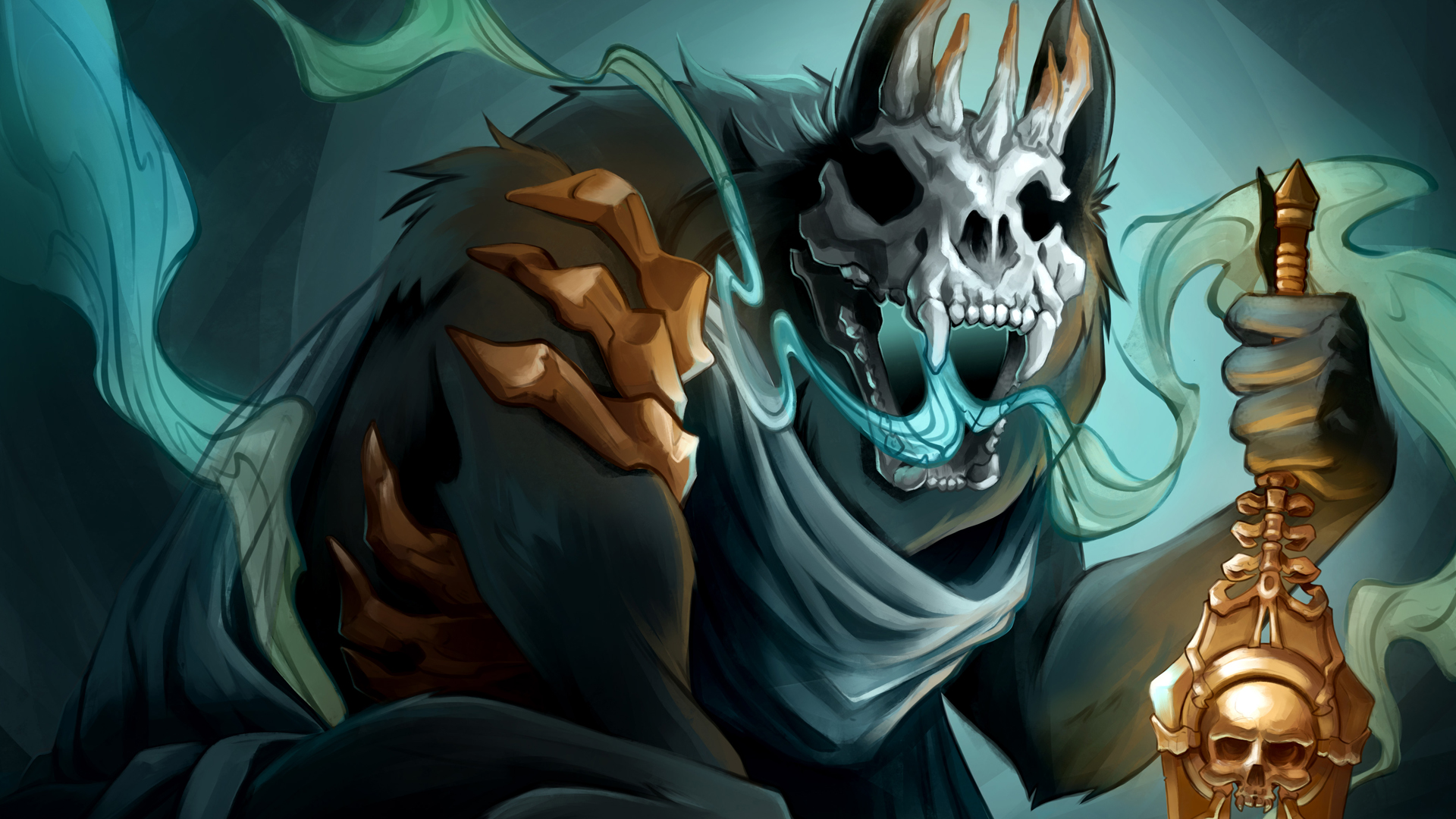
So it was a combination of, “I can’t believe what I just heard…”
Chris: Mhm.
Andrea: …and, “I can’t believe this is happening.”
Andrea Ivetic Vicai: Infinite Challenge = Infinite Inspiration
Chris: Literally for as long as I’ve known you (and I’ve known you a long time at this point), you are always striving for another level of mastery, of emotional effect, of stylistic invention, etc.
There’s always something that you’re trying to acquire for your art.
You’ve never not been like that.
Andrea: I’ve always been like that in every aspect of my life.
I always strive to be a good person, a good daughter, a good friend, a good artist, a good human being in general…
I’ve always had that kind of way of thinking that even if you do “level-up,” there’s even a bigger level waiting for you.
…and that’s exciting.
Chris: Right!
You will never run out of new challenges.
You can do this your entire life, and you will never run out of challenging, inspiring problems to solve.
Never.
…and so we shouldn’t get discouraged when we encounter challenges and problems.
We go, “Oh, right. That’s the path I’ve chosen as an artist! [LAUGHTER] I am on the path!”
There are certain things in life that don’t really offer us that, but art certainly is one of them.
Andrea: It is the perfect job for people who never want to stop learning.
Chris: Yeah, it’s true.
Andrea Ivetic Vicai: The Devil On The Shoulder
Chris: Speaking of challenges, what was the biggest challenge that you felt like you encountered during the timeline of this ImagineFX project?
Andrea: It’s funny that, even while I have been preparing and learning and trying and practicing, I still felt like I’m not good enough yet.
I still felt that little bit of a voice in the back saying, “Yeah, you’re gonna embarrass yourself. This is not gonna be what you thought. You’re not there yet.”
Chris: Wow.
Andrea: I tried not to listen to it because there was a short timeframe in between.
So I was just focused on getting things finished and prepared and making sure that everything was done and I had everything figured out but it was still a game of, “What will my brain try to mess with me today? How is it going to try to mess me up?”
So yeah, it was kind of that.
…just trying to not listen to those bad voices and trying to focus on the positive and embrace it as much as possible.
Andrea Ivetic Vicai: Be Your Own Best Friend
Chris: A new opportunity arises and then here comes the devil on the shoulder, perched there saying, “You’re going to face plant.”
What do you say to people who are struggling with that?
Andrea: There are two things that I try to keep in mind.
One is try to be as focused on the task at hand and try to get that done.
…and two is to treat yourself like you would treat your best friend.
If your best friend came to you and said, “Oh, I’m not good enough for this,” what would you tell them? How would you support them?
Chris: Yeah, that’s really good advice.
We’ve got a job to do. We might be taunted by the devil on the shoulder but that’s not going to change the deadline. That can be very stressful sometimes, obviously, but it can be a very grounding thing.
It’s like in Predator, right, “I ain’t got time to bleed.”
You know?
[LAUGHTER]
Andrea: Yes!
Chris: “I gotta hit this deadline.”
Andrea: Exactly.
…but at one point you will go to bed and those thoughts can kind of creep up in moments of not working.
…and I find the best kind of way of approaching that is just, saying, “Hey, you got this. You’re okay. It’s not as bad as you think.”
You know?
Be that best friend for yourself.
I find that it’s often so much easier to support other people when they’re in the same situation you are. So if my friend was going through something like this, I would be rubbing their shoulder saying, “You got this. Come on. Let’s do this. You know what you’re doing.”
…but we often don’t have that same sympathy for ourselves.
I would advise people who are in our line of work (because it can be very stressful It can be very demoralizing and demotivating) – be that best friend for yourself.
Andrea’s Magic Feather:
Chris: Something I ask every guest on this show is this question of “the magic feather.”
Dumbo had a magic feather that he needed in order to fly.
…and then he realizes, “Oh, the feather is not magic. I can let go of the feather and I can still fly.”
What was your magic feather?
What did you think you needed and then later realized you actually don’t need it?
You can let go of that and you can still fly without it.
Andrea: My “magic feather,” so far, has been external validation of others.
Chris: It always feels good to be validated externally in one way or another when you’re invested in that, whatever that external validation is but, yeah, that’s some real artistic growth when you’re able to self-validate.
…when you’re no longer beholden to an external validation, and it’s just nice to have, but it’s not a thing that you need to hold yourself up.
Andrea: We don’t want to say that it’s a bad thing to have external validation.
It does give you a certain sense of where you are in your career or what is working in your art or, perhaps, like, what is your future audience if you’re going down the route of becoming a, self-employed artist of any kind.
It’s okay to have that, but when your confidence no longer relies on that, I think that’s the moment when you realize, “I finally made it. I’m professional now.”
Lucy Ledsam: Animation Artist
Chris: Lucy, what was your initial reaction to learning that you might be featured in ImagineFX magazine?
Lucy: “Oh, no!”
[LAUGHTER]
…like, that was my immediate reaction.
“Oh, no! People see me!”
[LAUGHTER]
Chris: That’s hilarious.
Lucy: I think it was mainly that.
Lucy Ledsam: “I’m Not Big And Bombastic…”
Lucy: …but also, I’ve felt such insecurity with some of my work, I was a little bit anxious on how quote unquote “unfinished” it looked.
When I read ImagineFX, it was all finished, polished, full color, bombastic sort of art.
…and I sketch in my sketchbook.

So, I didn’t think that they’d even be picked.
I’ll be brutally honest.
[LAUGHTER]
Chris: That’s a thing we’ve discussed at length in class…
We both love the, like you said, bombastic, super-polished digital painting…
Lucy: Yeah, of course.
Chris: …but it’s just not the only way, right?
It’s just not the only way to make art.
…and it’s not the only way to make a living.
There’s a demand for quiet and calm or functional, more diagrammatic work, that kind of thing…
Lucy: Yeah, it’s just not me.
I’m not big and bombastic. I just like sitting down and figuring things out. I really like figuring out how to tell the story rather than making a final, polished image.
I’m okay with leaving it as a sketch.
…is essentially what I’m saying.
Chris: Mhm. Yeah.
I had a teacher in art school (in my undergraduate program) who told us that we should never use colored pencils because colored pencils can’t be a finished medium.
Lucy: That broke my brain.
Chris: Yeah, yeah!
…and of course they can, right?
There’s this bias towards polish.
…and again, polish can be great. Polish can be great. Detail can be great. Epic scale can be great.
…but so can quiet and calm and introspective art.
…and art that’s about the texture of the pencil against the paper and…
…where that’s really a feature, not a glitch, right?
[LAUGHTER]
…where it’s, not polished and digital.
Lucy: I love texture.
Whenever art feels tactile to me, I’m all over it. I love it.
Chris: I’ll fall completely in love with a painter and then just spend hours looking at the pages of books featuring their work and I’m zooming in with my face [LAUGHTER] as much as I can to the work as closely as possible.
…but the people that I’ve been doing that with lately have been Beatrix Potter and A. A. Milne, these, yeah, artists that have this, um…
(I mean, this is a compliment.)
…almost like a fragile line quality to their work…
…and you think about a whisper.
…a literal whisper.
…and what does it do to a person?
When there’s trust, a whisper beckons you to come close, right?
It’s an intimacy thing rather than it being a thing that is overshadowed or less important.
It doesn’t have to be big and loud to be important.
Lucy: I was showing my boyfriend yesterday, Beatrix Potter’s letters that she sent to, like, family members. She illustrated them all and there’s all these, kind of…
More scratchy, more…
Like, they’re not finished illustrations.
…and there’s something about that line quality that really speaks to me.
Also A. A. Milne is like…
UGH! I love those so much.
There’s also Tove Jansson.
Chris: Yeah, totally agree!
Yeah, yeah, Tove is incredible, incredible.
…and when you have a million different digital brushes and gradients and things at your disposal, there’s a directness that sometimes gets buried in all of the technical wizardry, you know?
…as amazing as it can be.
Lucy Ledsam: Advice For Non-Bombastic Artists
Chris: Somebody who’s struggling with their identity as an artist because they feel like, “I see the appeal in the polished, digital, elaborate, bombastic art. I see the appeal in that, but it doesn’t feel like me…”
What would be your advice to them?
Lucy: Well, first, if they were in front of me, I’d probably say, “Same, buddy.”
[LAUGHTER]
Um, definitely feel you there.
But…
Do what actually feels like you, rather than trying to force something. You’ll find a way, somehow, with a little bit of help, evidently.
“Don’t just rely on yourself,” I suppose, would be another piece of advice.
…like, actually ask for help and ask for advice.
Lucy’s Magic Feather:
Chris: Lucy, as you know, I ask every guest the same question on this podcast. It’s the question of the magic feather.
Dumbo had what he thought was a magic feather.
…and he thought he needed it to fly.
…and then, by the end of the movie, he realizes, “The feather is not magic, and I don’t need it to fly. I can fly without the feather.”
What is your magic feather?
What do you feel is something, throughout your artistic development, that you previously thought you needed, but then later came to realize you don’t? You can fly (whatever “fly” means to you) without it.
Lucy: I always thought that having an extremely large following on social media was the metric for success.
It’s not something I wanted. I never wanted it.
As I said beforehand, I really don’t like too much attention, but I genuinely thought having a social media following such as the likes of Loish…
I thought that was success.
Chris: Right.
Lucy: When I was a kid and a teenager, all I saw was people being quote unquote “successful” online with big followings and all that jazz.
…and then that’s what I thought you needed.
…but, later down the line, I’ve come to the realization that I don’t care.
[LAUGHTER]
I don’t care about a random following online.
I don’t care about that anymore.
I’ve, I’ve tried it. I’ve tried to be that since, like, early teens. I’ve tried. It’s always fallen apart. I just can’t keep up. I can’t. I can’t keep up.
…and if, if I have like a sudden surge of followers, I go, “Oh! Oh no…”
[LAUGHTER]
Chris: Yeah.
Lucy: That’s my feeling.
…but I also understand that, on social media, being present is still kind of helpful.
Chris: Sure.
Lucy: …for, especially, recruiters and all that jazz.
That’s fair enough.
…but it’s the grind.
Chris: Yeah.
Lucy: …where it’s like you’ve got to be on it 24/7.
I may have taken that to a little bit of an extreme, not posting for, like, three years but um…
[LAUGHTER]
Chris: Yeah, me too.
[LAUGHTER]
The “big audience” model is just one kind of career.
That’s one way to do it.
…and if your personality and the kind of lifestyle you want to have matches that, well, great! Why not, then? Go be entrepreneurial and ride the waves of the ever-changing algorithm and all that.
If that’s what you want to do, by all means…
There are advantages and disadvantages to every career model. Every one of them. They have their pros and cons.
…and what we, probably, are all wise to do is take an inventory of what the necessary lifestyle aspects are to each of these various career models and go, “Which one is the best fit?”
Lucy: Mmhm…
Chris: We’re probably going to have to make some kind of compromise in any model that we pursue.
…and that’s why we have personal projects.
That’s what personal are for!
Lucy: Yeah, precisely.
Chris: You can just have it your way when it comes to personal projects but, regardless, in pursuing an art career, there is always some measure of “dance with the devil you choose.”
Always. There’s always some measure of that.
…and so you just have to pick a devil, right?
Which one is the most compatible? Which one do you feel like you can actually make a career out of?
…and spending lots of time on social media apps and managing, essentially, thousands of customers or potential customers, that’s one way to do it.
…but another way is something that you have done already (in an exemplary way) early in your career, which is putting so much emphasis into offline.
Lucy: It stops being a proclamation of like, “Look at me!”
…and starts, kind of, feeling like a…
I guess, like more of a handwritten letter to somebody I care about.
…and then, at that point, it feels more real and more human, and has a more succinct message because it’s for just somebody.
…and then if any of those personal projects go anywhere outside of that, that’s great. That’s, great.
…but, if not, I’m okay with just waddling through the animation industry [LAUGHTER] like the wandering goose I am
[LAUGHTER]
Chris: That’s amazing.
Elizabeth Person: VR Artist
Chris: Lizzy, what was your reaction to finding out your work might be featured in ImagineFX magazine?
Lizzy: Very enthusiastic cussing.
[LAUGHTER]
Chris: Massive amounts of profanity.
[LAUGHTER]
Lizzy: Yes, exactly.
[LAUGHTER]
We all have our vices and that’s mine.
Elizabeth Person: Specialization As Curation
Chris: What do you feel like was the first challenge or obstacle that you encountered while working on this project?
Lizzy: Whittling down my work into the narrative of myself as a VR artist and interactive storyteller helped me put myself in the position of the person who was looking at my application. It’s as much what you don’t put in as what you do.
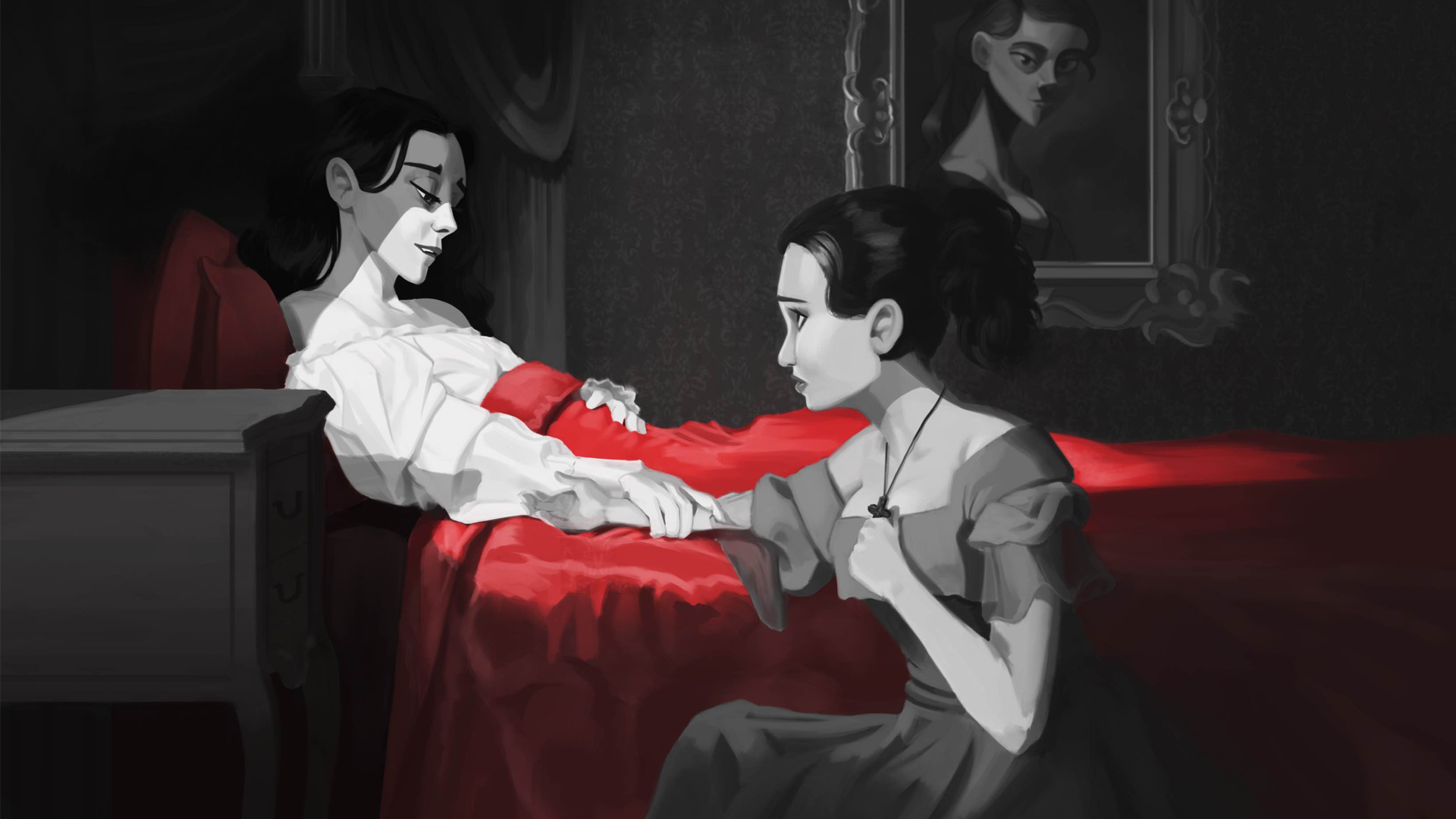
Chris: So you’re saying that it was the desire or the need to cut stuff that gave you objectivity?
Lizzy: Yes. That’s a very good way to put it.
Elizabeth Person: Switching Industries
Chris: Tell us more about this journey of going from “I want to work in visual development in animation” to exploring games to, specifically, “I want to work in VR.”
…and then, alongside of that, going from more typically mainstream animation aesthetics to “I’m making a gothic horror virtual reality walkthrough that is not for kids.”
Help the listeners understand this journey for you.
Lizzy: Well, the original dream of working in animation came from watching animated films growing up.
I thought, “What is the medium where people get to paint and tell stories for a living?”
Animation came to mind.
…and I didn’t really have any other examples outside of that.
So that’s where it started.
The moment where I realized that video games or more interactive media was going to be a better fit for me would have been…
Oh, yeah, I’d just finished the mentorship with you about prop painting.
Chris: Oh, yeah. Mmhm.
Lizzy: That took my painting, in general, to a whole new level.
So I had these pieces that I was confident I had a shot at getting work with.
…and so, I look up and find prop painting jobs.
…and I’m getting ready to apply. I’m writing the letters.
I’m feeling more confident than I ever have.
I go to press “send” and I can’t.
Chris: Yeah.
Lizzy: Why?
[LAUGHTER]
Why?
Like, this is the moment.
I had to sit there for a long while to try to puzzle out, “What is wrong here?”
I had said in my application that I was happy to move west and to do this every day and that I would be content doing that.
…and I realized the subject matter was not what I wanted to be painting all day.
…and on the one hand, you’re like, “Well, it’s just a job. You’re making money, right? Just explore other stuff on the side.”
…and that’s absolutely true but I already had a job that was solid and supporting me.
Realizing that the actual aesthetic of my work that I wanted to make was not the Disney animation aesthetic…
I mean, it was a huge blow. There was a little bit of grieving to the fact that, it was like, “Oh, my dream is not what I thought it was. I’m in the right direction generally, but I need to reroute a little bit here.”
It was initially tragic and then, very quickly, very empowering. I was like, “Okay it’s time to reevaluate.”
So my first instinct is to go to games because I played a lot of games growing up and they tend to be more willing to go into darker themes. Painting creepy vampires being majestic and unnerving is my favorite thing.
Chris: Yeah.
[LAUGHTER]
Lizzy: Turns out that’s my favorite thing.
Chris: …and now we know.
[LAUGHTER]
Lizzy: …and now we know!
Chris: In general, if you want to work in the Southern California animation scene, you’re going to be making very mainstream animation. You’re going to be making Disney stuff and Pixar stuff and Sony stuff and DreamWorks stuff and Nickelodeon stuff, etc, etc.
Obviously, there’s a vast array of various styles within that, but it doesn’t usually include gothic horror vampires being majestic. That’s not a typical thing, not in a true gothic horror aesthetic.
Lizzy: Not nearly enough biting.
[LAUGHTER]
Chris: Yeah, not nearly enough.
We need way more.
Lizzy: I had also, at the same CTNx where I had brought my prop paintings, they also had a big ol’ VR hall where they were showing off virtual reality and animation in virtual reality. It was this moment of, “This is a space I need to be involved in.”
I’ve never gone home and made such an expensive purchase so quickly [LAUGHTER], because as soon as I got home, I bought a helmet. It would have been the Rift. The Oculus Rift.
…and I was spending hours and hours and hours and hours in that helmet.
[LAUGHTER]
…initially, just playing games.
…but where I used to daydream in animated film or daydream in the realm of video games, I was daydreaming in VR.
It was a very magical and cutting edge experience, but it pulls from my very early time in theater through elementary, middle and high school, skills that I hadn’t even realized I had that were useful, that now I got to execute in this absolutely new and unexplored space.
Lizzy’s Magic Feather
Chris: Well, then the answer to the magic feather question, maybe, is obvious, but I have to ask it anyway.
What, for you, has been your magic feather thus far?
Lizzy: It was very much the moment where I realized I didn’t need a big animation company to tell me that I was a professional in order to know that I was a professional.
The magic feather was something I could gift myself all along.
[LAUGHTER]
It sounds so cheesy, but it’s true because, suddenly, it was about what stories I wanted to tell and what I wanted to create instead of “How can I get, X, Y, or Z to tell me that I am qualified to be in this space?”
Elizabeth Person: Disney Is Convenient
Chris: Essentially, the need for external validation from Disney and other…
…studios that make other aesthetically similar work, was blocking where you wanted to go vis-à-vis medium, and it was blocking where you wanted to go aesthetically, both.
It’s amazing how these are two things we could think of as individual aspects of our creative career, and yet both of them were triggered when you let go of that external validation.
It’s hard to let go of that.
Lizzy: It is so hard.
I had a lovely little existential crisis for a couple of days, actually.
I think it took a couple of classes where we were chatting. I definitely had a couple of heart-to-hearts with my mom.
I’m glad this is going out into a public space because I don’t think it’s an unusual position to be in as an artist because there’s a million and one artists out there who don’t fit the Disney bubble.
…but how many of them started out watching Disney as a kid, right?
It is the easiest and most identifiable example of “successful” art.
Chris: Disney is convenient.
…a convenient measure of aesthetics and quality and these kind of things.
It’s very convenient because The Walt Disney Company reminds you 24/7 that it exists.
[LAUGHTER]
They’re always reminding you of the company’s legacy and they’re always reminding you of all the new stuff and Disney is just in our faces all the time.
…and it’s easy to think that their marketing budget is equivalent to your amount of options as a professional artist.
[LAUGHTER]
…and that is disproportionate, right?
You have way more options.
You might really want to work there or work in that aesthetic and great, go for it, but don’t let the amount of exposure to Disney skew your perception of what’s really right for you.
Lizzy: The mouse is omnipotent, but his aesthetic is not.
[LAUGHTER]
Chris: That’s right. That’s right.
The omnipotent mouse.
Carmen Thora Smith: 3D Artist
Chris: Carmen, what was your reaction to learning that your work might be featured in ImagineFX magazine?
Carmen: I’ve learned a lot over the past couple of years with 3D and I do feel like I’ve hit some major milestones, so it seemed like a good marker for my progress.
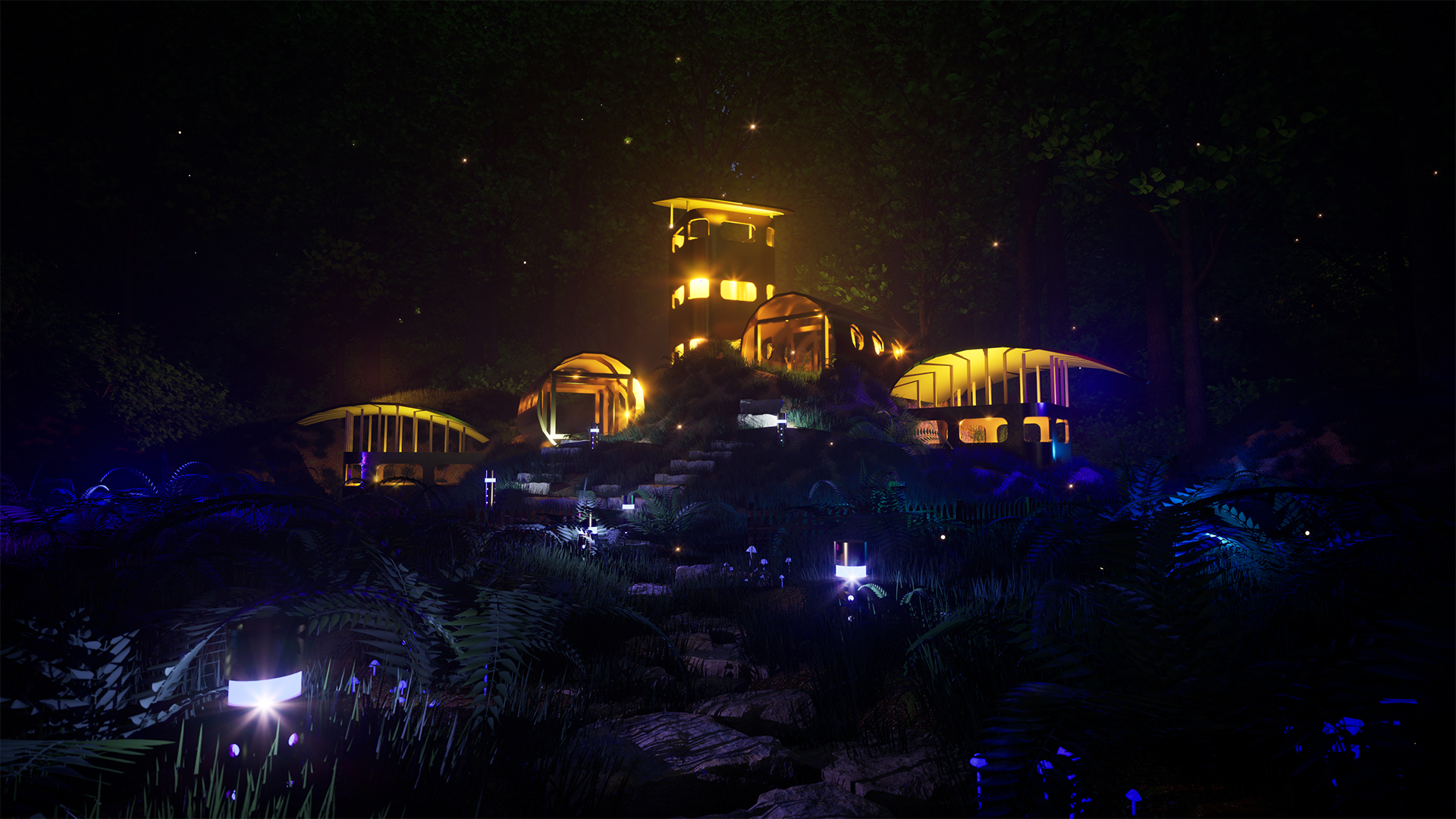
Chris: What are some of those milestones?
Carmen: Realizing I could actually do 3D in the first place.
I thought I would have to just use it to assist my 2D painting skills but, eventually, I realized, “Why am I even using 3D to help me with painting? I’m getting good enough at doing 3D that I could actually make some pretty cool 3D images.”
Each time I learned a new piece of software, that was a milestone. Learning Maya and then learning Unreal and then progressively learning more of the 3D software.
…because there’s a bunch that go together.
All of those things propelled me forward and opened up my world as far as the types of images I could produce. Every time I learned a new skill, I could get closer to the image that I actually saw in my head.
Carmen Thora Smith: Learning Complicated Software
Chris: That’s also true for painting.
We see an image in our heads and sometimes we don’t know how we’re going to do it. I’m assuming that’s been the case for you as a painter, also.
What, for you, is then different about the CG stuff? Why did that seem less doable than painting?
Carmen: Yeah, it was just the complexity of the tools. I tried Blender many years ago and I struggled to even make a cube.
[LAUGHTER]
Chris: Right. Yeah.
Carmen: It felt so slow to get anything done that I thought it was just faster to do things in 2D.
…and, eventually, that shifted to where it was faster to do things in 3D.
I think a lot of people would get overwhelmed because they think they have to learn everything at once.
What I’ve learned is that you don’t have to learn what all the buttons and knobs do. You don’t have to know how to use every element.
These programs are huge. There are so many menu buttons that you’re never going to learn how to use because it’s a program that’s intended for a lot of different people. So, some professionals are only going to use a few of the features and other professionals are going to use different features.
You just have to focus on what you need to do that day.
Carmen Thora Smith: Shifting Stories
Chris: It was almost like you shifted stories, mentally.
…your own story.
Your first story was,” I’m interested in these tools and I want to see how they could benefit or be integrated into my workflow and so I’m just going to do what I can do with them.”
…but then it changed.
…because, as you started to become more familiar with them, you started to realize, at a visceral level, the power of those tools.
…and your ability to wield them and then it was in that growing confidence and your visceral appreciation for the power of the tools that you started to go, “Oh, why isn’t this just the primary thing? Why can’t I just be a CG artist who also paints?”
Carmen: Yeah. When I first started learning, it was easier just to like take a screenshot of a 3D model and paint over it, but then as I got better at 3D, it became faster just to do it in 3D. I’m like, “Why am I using Photoshop when that’s actually the slower process?”
So, that was the shift, I think.
Chris: Yeah. You’re not just beholden to the one screenshot that you’re working over.
Carmen: Exactly.
There’s like this uphill battle in the beginning of learning how to use everything.
…but then once you get those skills and it becomes integrated into your muscle memory, everything is just so much faster and you could just bust out images so quickly.
It’s pretty freeing and that’s probably my favorite thing.
Carmen Thora Smith: Tools Do Matter
Chris: Tools are important, right?
We were just talking about this in class a couple weeks ago.
…about how people often say to digital painters, “Brushes don’t matter. Don’t worry about which brush to use.”
…and that’s not entirely true, right?
Brushes do matter. The brush isn’t everything. The brush isn’t magic. But, it does matter. A brush choice can make a major difference in how competent you feel as a painter, whether you feel like the strokes that you’re making are reflective of your intent as an artist.
It does matter.
…and for you, obviously, brushes matter, but what we’re talking about here really is about how the tool in terms of the app mattered. Maya, Substance Designer…
That mattered in a big way to you and your career. I mean, it was pivotal.
Carmen: Mmhm.
Carmen’s Magic Feather
Chris: Well, lastly, Carmen, I have to ask you the question that I ask every guest on this podcast and there’s probably evidence in your previous responses about what the answer to this question will be, but nonetheless, I’ll ask it directly.
What is your magic feather?
Carmen: In the beginning, I thought I needed to take a full-length tutorial for every single little thing.
…and then, at some point I realized, “Oh, I can figure some things out on my own, and I don’t have to worry about doing everything perfectly right every single time.”
With a lot of these programs, you can do a lot of experimenting and figuring things out on your own and not worry about whether what you’re doing is what the professionals do or not.
…because even if you do things totally wrong, you’re still learning in the process.
I’ve started to let go of doing everything right and I’ve gotten better just through making mistakes.
Carmen Thora Smith: “Just-In-Time” Learning
Chris: I love that story that Amy Lewis told on the podcast just a few episodes back where she talked about how she was interviewing for an animation job.
…and they asked her if she knew Adobe Illustrator.
…and then she says, “Yeah, I know Illustrator.”
…and then she hangs up the call and then goes online: “How to use Adobe Illustrator.”
…and, of course, that could get somebody into trouble if they can’t learn the software program quickly enough. The actual lesson is in what she said afterward. She said, “I wouldn’t have answered that for Blender,” because she knew that Blender was way different territory than Illustrator.
…because Illustrator and Photoshop have so much in common and she paints so often in Photoshop, it was a calculated risk. She knew that it was close enough, and that (to your point) that she could learn enough of Illustrator in a weekend in order to get started.
…and I think that’s the take away as it relates to your point which is “You only need enough for today.”
You only need enough for that next step.
That’s all you need.
A former mentor of mine called that “just-in-time learning.”
Don’t worry about the whole thing, just, “What do you need right now?”
You go search out that tutorial or that resource “just in time.”
Carmen: I feel like that’s actually the best way to learn sometimes because the information sticks better when you actually need it for something specific. It clicks because you understand why you’re doing it.
…but if someone’s just teaching you how to do stuff and you don’t know why you’re doing it, the information isn’t gonna stick.
Laura Horan:
Chris: Laura, what was your reaction when you found out your work might be featured in ImagineFX magazine?
Laura: Before I started this mentorship, I was kind of in a weird place with my work.
You hit 30 and you’re like, “Oh, maybe this is just going to be a hobby forever. Maybe this is just always going to be a side thing that I do.”
…and then I started the mentorship and things started to feel different.
…and this just felt like a “Yes! Things are different.”
It was, you know, the thing that you can point at and be like, “What I’m doing is working.”
When we first started working together, there were parts of my work that I think I had been trying to change that I actually didn’t need to change.
For example, I thought that my overwhelming interest in line art was something that I needed to move on from because, especially in the illustration world, line art isn’t usually where you stop.
I forget how it came about, but we were talking and you were like, “You don’t need to get this to such a polished state before we can make critiques on it and start changing things around. It’s actually better if it’s loose. It’s better to show that you can crank out a whole bunch and try a whole bunch of different ideas and go from there instead of just working on one very polished portrait,” you know?
Laura Horan: Don’t Settle For Less
Chris: …and how would you describe to someone else who’s struggling with that same problem?
How would you describe to them the benefits of increasing your output on concepts and not worrying about making everything a tight, polished piece?
Why is that helpful?
Laura: When I started doing Magic Box, we learned a process where you surprise yourself by just drawing in Sharpie, very quickly, a lot of different shapes, a lot of different ideas…
…just very, very quickly.
…and that really changed how I work – a lot.
It used to be, you know, I would start digital. I would fiddle around on the same one or two ideas and then I wouldn’t ever branch out from that because by the time I got to something that I felt okay about it was like, “Okay, well, this has to be it. I’ve put all this work in.”
Chris: You just end up settling a lot.
Laura: …and you don’t even realize that you are at the time because it feels like you worked very hard to get there.
…but, actually, you aren’t pushing things to where they could be.
…and that really changed my mindset and I think my designs are a lot stronger now that I’m pushing more.
Chris: It also seems like you’re having more fun with the process and that fun is coming out as entertainment value in your characters.
Do you think that’s accurate?
Laura: Yes, absolutely. You can feel that there’s a different energy. It isn’t as stiff. I think that the designs have a lot more life to them now and they’re just a lot more unique too.
…and I try to keep that energy when I am finalizing something. I hope to keep that same humor and goofiness to it even when it’s totally finished.
Laura Horan: Objectivity Is Impossible
Chris: In the last couple of months that we’ve been aware that this article was going to happen, what has been a challenge or an obstacle that you’ve had to work through, work around, overcome, etc?
Laura: There was a period of self doubt, for sure.
We’ve got a very talented group that got selected and, initially, it wasn’t, “Oh, all of you are going to get in.”
It was, “Maybe about half of you are going to get in.”
Chris: That was what we thought. We were under the impression it was going to be a smaller list.
Laura: I’ve worked a little bit in graphic design. I understand there’s a page layout. There’s only so much that can fit in a page layout. I was watching everyone else’s art come in. I was like, “Oh man. [LAUGHTER] I am very excited for all the people that are going to make it in, but it’s probably not going to be me.”
[LAUGHTER]
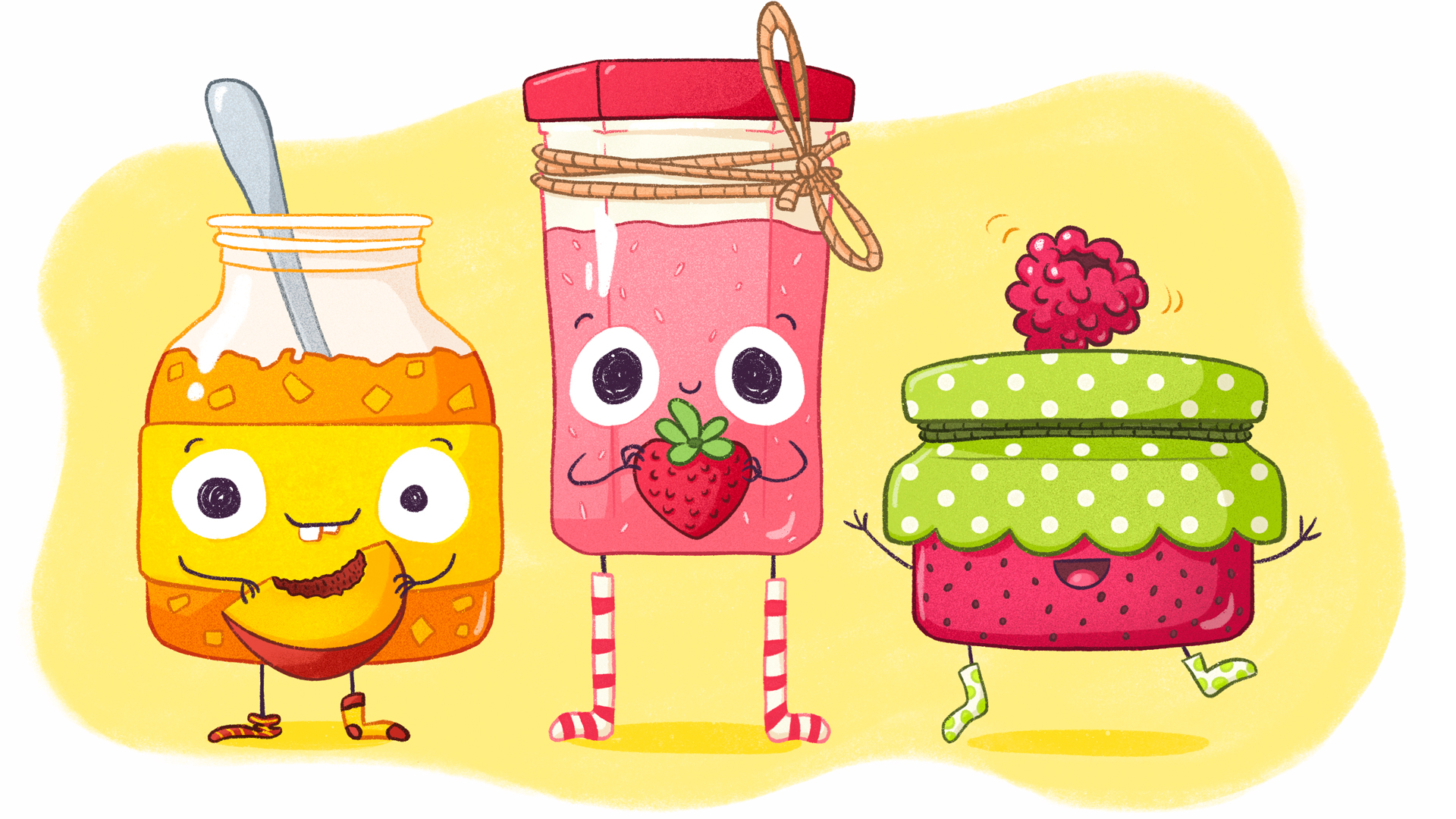
…um and also just looking at the other work that has usually been featured (a lot of really beautiful paintings, fantasy work, you know) and I’ve got this weird possum and these weird jam jars and I’m like, “Maybe you can put this in too.”
[LAUGHTER]
Chris: So imagine somebody who’s in a similar situation and they’re thinking, “Everybody else is going to get picked.”
Whenever there’s a situation where someone could get picked, they just think it’s always going to be somebody else.
What would be your advice to them?
Laura: One of the biggest things is to recognize that the people that you assume will get picked also probably feel the same way that you do. They probably also think, “Oh, everyone else is going to get picked. Not me.”
Everyone sees their work unobjectively. It’s just not possible to see your work the way that other people see it.
…and even if your work feels too different, make somebody else decide that it doesn’t fit in. That’s not your job. Your job is to make good art that you care about, that is you and just put it out there.
Chris: Wow.
Laura: So I would say, just try, just do it and let other people decide if it will work.
Chris: That’s great advice.
Laura’s Magic Feather
Chris: Something I ask every guest on this show is the question of the magic feather. It can be something literal or something imaginary or subjective or intangible.
…but, for you, what do you feel like is your magic feather thus far?
Laura: I used to that I had to have that same level of painterly polish to something that other people do and the more that we’ve worked together, I’ve realized that I can actually just really lean into the things that I like about art.
Chris: Often, when I work with students, they have spent so much time fixating on the things that they quote unquote “should” be that they haven’t actually developed a clear picture of who they are.
So it’s not like, “I know I’m A but I’m trying to be B.”
It’s like, “I’ve been trying to be B for so long that I don’t even know what A is.”
Laura: Yeah, exactly. It’s exactly that.
I didn’t fully know what direction I wanted to go in until we were working together more because I had spent so much time looking at the “greats” and being like, “Well, my work needs to look exactly like that, or I won’t succeed.”
…and then realizing the stuff that you enjoy will become its own awesome thing that people will like.
In Our Next Episode:
The most influential Disney animator you’ve never heard of!
Every Successful Art Career Is A Collaboration:
Get clear, relevant feedback on your work and personalized career guidance in our mentorship: The Clockwork Heart
Never Miss An Episode:
Subscribe to this podcast on any of the major platforms (Apple Podcasts, Spotify, Audible, YouTube) and join our email list for notifications about future episodes, courses, and mentorship opportunities.
It’s 100% free and we will always respect your privacy.
Credits:
I’m your host, Chris Oatley, and our production coordinator is Mari Gonzalez Curia. Our music is by The Bright Sigh (which is me) and this show is made possible by The Magic Box Academy.
 The Magic Box