
In this episode of You’re A Better Artist Than You Think:
Victoria Ying, animation visual development artist (Tangled, Frozen, Big Hero 6) and comics creator (City Of Secrets, Harvey winner Hungry Ghost) joins us to talk about how to avoid overwhelm, burnout and art-related injuries, set realistic deadlines and push through the boredom when attempting ambitious, creative projects.
Plus: Why routines aren’t for everyone…
How To Listen:
Listen via the YouTube player below or subscribe to the audio podcast via Apple Podcasts, Spotify, Audible, Email and most other podcasting platforms…
…or read on for the transcript…
Tip #1: Start Small
Chris: Whenever I hear artists talk about how they’re not “excited” about a long term project anymore, I always think, ” That’s a problem with expectations.”
You know?
“Do you really think you’re going to stay quote unquote ‘excited’ about it the whole time?”

You’ve made multiple long form projects at this point.
What are your thoughts on that?
Victoria: I think you’re definitely right. It’s a mismatch of your expectation versus what you’re actually doing. And I think that, for a lot of people, we are very used to creating like one illustration and then being able to share it right away.
Or even just like a longer term thing…
Maybe you’re working at a studio and you’re, creating an illustration or a background painting and usually show it within the week.
But when it comes to, like, a long form project, something like a graphic novel or a film, you really don’t get to show it for years.
When I signed the contract for my book versus when it came out, there was a span of five years between that.
Yeah, it feels very, very difficult because you’re so used to this instant gratification, especially with the Internet.
And um, that can be something that’s really challenging for a lot of people.
For me, I was able to kind of figure my way through long form projects because I started small.
So you start with like a small project that’s like an eight page comic.
And then you’re not sitting on it for years, you’re sitting on it for like a few months maybe, you know?
And then um, you kind of get more used to that discomfort of waiting.
Unlike a one-panel illustration or, you know, just like a, um, like something you put up on Instagram where you’re just like, “I did it and then I posted it within an hour.”
Victoria: Having that time and sitting with it and getting used to that discomfort, that is something that takes a while, but it is a muscle like anything else and the more practice you have with it, the easier it gets.
Chris: Was that hard, at any point, to deal with?
Victoria: Yeah. I mean, It’s really really hard at the beginning because it’s not just the time you’re working on it.
You also have all this time where, after it’s finished, you are waiting for it to be printed, for the marketing team to get to it, like all this stuff…
There’s usually like a span of a year between when you finish a book and when it gets published, and that year can feel like forever.
So that’s definitely something that is difficult. Um, but at the same time, I think that having something like that come out, something major and something longer form, it’s so satisfying.
And there’s really no way to get around it.
And I think that, for everyone, the biggest challenge is just sitting with that discomfort and being okay with it.
But then, once it’s out, like, you get a different kind of satisfaction and you have to build to that.
It’s worth it but yeah, it’s definitely hard and it takes a while to get used to.
You know, it’s like running, I think. You can’t expect to run a marathon right away. You have to train for it.
Victoria: And even with something like long form comics, that’s something you can train for by just starting out smaller before diving into, like, a huge, 200, 300 page book.
Chris: Yeah. easy come, easy go.
Victoria: Yeah.
Tip #2: Accept The Boredom
Chris: What role does emotion play in the “long game” of a project?
Victoria: There is an emotional component in how it is difficult to sit with a project for a long, long time and just not be able to share it not be able to get feedback, not be able to talk about it even for a long time. That be really challenging.
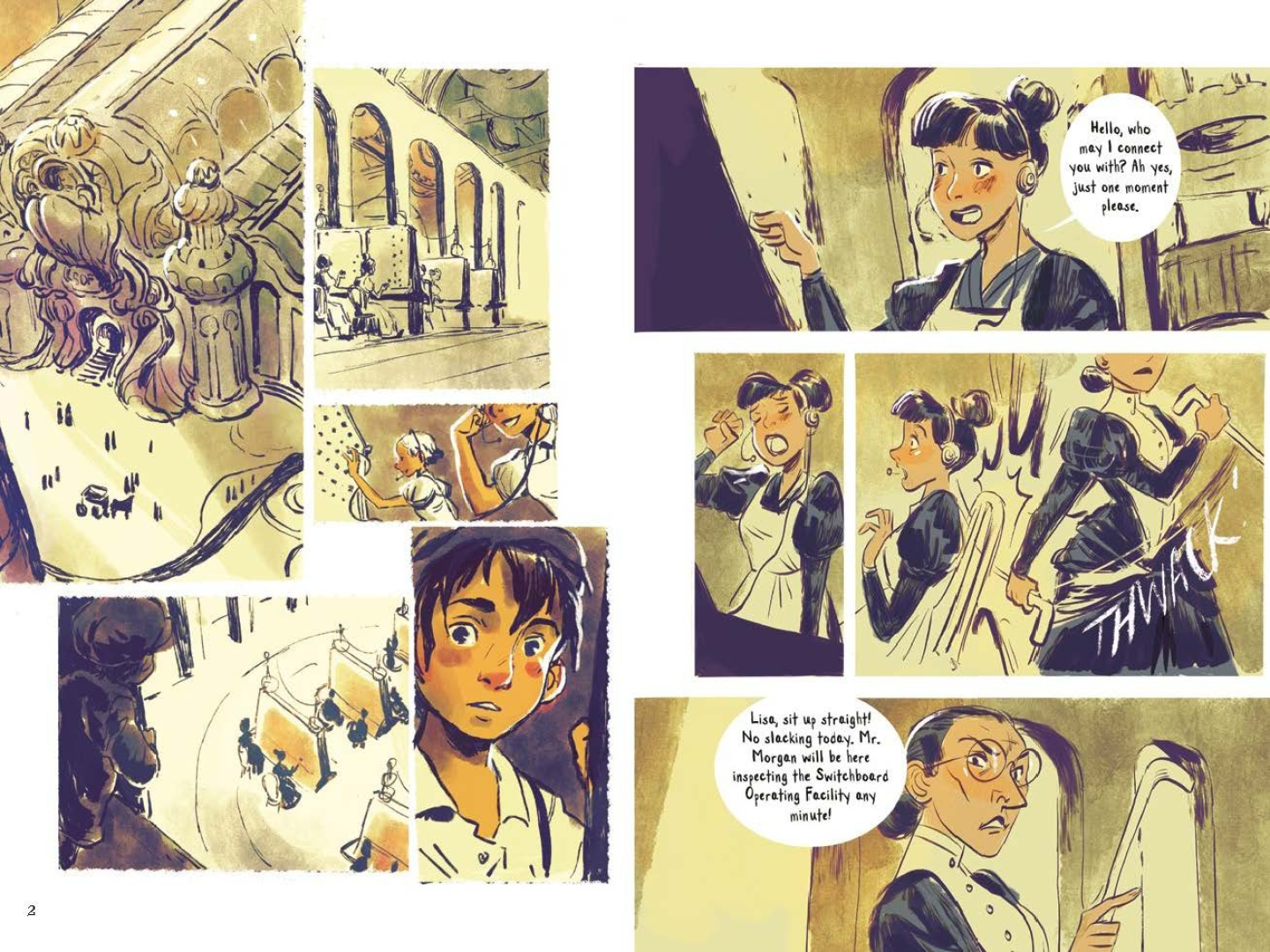
I think the biggest emotional barrier, when you’re in the bulk of the process, which is the inking and the coloring, like that part of it, I think the biggest emotion is actually just boredom.
I am very experimental with how I work. So I try different brushes. I try different color things. I love absorbing different styles and different influences and all that stuff.
When you’re doing a graphic novel, you can’t change your influence page to page, week to week, right?
You’re almost like an assembly line.
You know? It’s like, “This part goes into here and this, this, this…”
And that can be really, really boring for someone like me because I love trying new things, but you know, um, I just have to accept that it’s going to be boring. And [LAUGHTER] that’s just a part of it, and that’s just okay.
We get very used to the idea of “We need to solve the problem.”
Like, “Oh no, this is uncomfortable, and this is boring. How do I make it interesting?”
And it’s like, “No, you’re just not going to.” [LAUGHTER]
This part of your life is going to be a little boring and that’s just part of it, and then you can find that excitement somewhere else but you have to show up every day. You have to.
And, um, that’s a big, big part of getting something like this done. You just have to be willing to slog through the parts that are not fun and a lot of it’s not very fun.
Chris: Have you read Atomic Habits by James Clear?
Victoria: Definitely, Yeah.
Chris: Yeah, I loved what he said there about boredom. He asked his personal trainer who are the people that really excel and, you know, “What’s the difference if you have been able to perceive any?”
And the trainer says, “It’s the people who learn to love the boredom.”
You know, once the early gains, um, the thrill of that is gone, do you keep showing up and doing the work?
And graphic novels or any other ambitious project is the exact same way.
You know, you have to learn to love the boredom.
There’s just no way around it.
Victoria: Yeah.
And even if you don’t love the boredom, you know that it’s temporary. It’s long. Like, a graphic novel’s gonna take you about a year, and that’s a long time, but it’s not forever, you know?
And, nothing lasts forever.
Even the good stuff.
So, at the end of it, I’ll have something I’m really proud of.
Chris: Yeah.
Tip #3: Know Your Timelines
Chris: What advice do you have for artists who are ready to attempt a longer, more ambitious project, but things like the day job or freelance work, things like that, are just constantly interfering?
Victoria: The first thing I would tell you is figure out how long every part of the process takes you.

How many hours does it take you to do a page of thumbnails? How many hours does it take you to do a page of inks?
And then work backwards from there to be like, “Okay, my book is gonna be 250 pages long. So if I know that, and I know exactly how many hours each of these things is gonna take me, how do I slot that into my actual life?”
Not like an ideal version of your life, your actual life.
A lot of times your publisher will be like, “Oh, here is the date that we want it by.”
And a lot of newer artists, especially people who, have not necessarily worked with a publisher before, will be like “Oh, no, I don’t know if I can do that.”
The truth is you can push back on that.
You can be like, “Actually, I need another year.”
But the only way to do that is to do it early. You have to do it right you’re getting contract so then they have that expectation of you and the only way to do that is to know exactly how long every step takes you.
Then you know, “Okay, realistically, it’s gonna take me two and a half years.”
And your publisher, as long as they know that, that’s fine.
Obviously, they would like it sooner, but truth is that, their schedules are so far out, it doesn’t really matter, just as long as they know ahead of time.
And I think a lot of young people will see a number, like, they’ll be like, “Oh, they want this book next year. So I gotta like, really, you know, pull all nighters, I gotta do all this stuff.”
You do not have to do that. You have a lot of power in this situation, and you have to exercise that early, because it’s way harder to negotiate that stuff after once they’ve started setting up their schedule. Then it becomes much more difficult for you to be like, “Actually, I need another six months.”
The other thing I would also recommend, especially as, you know, we are freelancers and we are contractors, not only should you make sure that these contracts and these deadlines are working around your current life circumstance, also remember to build in things like vacation, sick days…
There’s a lot of times where people are like, Oh, well, at my maximum level, I can work six days a week, twelve hours a day or something.
[LAUGHTER]
Chris: Right.
Victoria: You don’t have to and if you don’t leave yourself enough time to get sick, to go see your family at Christmas, you are going to make your own life harder and as long as you tell your publishers and your agent, “This is what I need. This is how long it’s gonna take me,” then everyone will be fine with it.
You just have to know that ahead of time. And a lot of times people don’t. People are like, “Oh, I’ll just accept whatever deadline they give me.”
And it’s like, “No, you need to like stand your ground early and know what a realistic expectation is, both for you and for your publisher.”
Tip #4: Practice Finishing
Chris: A lot of my students get stuck in the planning phase.
Of course, that can be for all kinds of reasons, right? That could be fear, that could be just not having any sense of the path, a combination of those things. There’s all kinds of reasons.

What does that look like for you? When you know, “Okay, it’s time, really, to switch from exploration to execution?”
Victoria: I’m very eager to show people what I’m doing.
I get very little satisfaction from planning. Like, that does, nothing for me. I need to, like, finish a thing and show it to somebody.
And if you don’t have something to show, then, like, you don’t get that satisfaction.
And I think that writing something short and completing it will train you to finish things.
Finishing something and writing something or drawing and painting and all that stuff, that’s a separate skill from finishing things. And you have to get good at finishing things. And the only way you do that is by finishing things.
Which means that you have to like, finish your short story. Share it.
Finish your short comic. Share it.
And then get used to that, and get good at that.
And, um, for a lot of people, I think that they choose ambitious projects purposely, because I think that it makes it so hard to finish that everyone understands when you don’t.
Which is why you want to actually choose short projects.
Just get it done. Get it out the door.
You don’t build that skill, you don’t build that muscle unless you do it.
If you only pick ambitious projects, then yeah, it’s gonna take you a really long time to ever do it once.
But if you pick short projects and you do a bunch of short projects, then you get really used to it and you understand what the circle looks like. And then you get better and better at it. So then when you have the big project, you can finish it because you know what that looks like and you’re very used to doing it.
Tip #5: Routines Aren’t For Everyone:
Veronica: I was wondering if we could, maybe, dig a little bit into this idea of building a consistent daily routine and how that’s been important in all the things you’ve achieved.
Victoria: Personally, for me, one thing that has helped is knowing myself very well. I have ADHD and uh, I know that a lot of people recommend a routine.
Routine has actually never been something that works for me.

“Every day I wake up at eight and I go make breakfast and I go to the gym and da da da da,” like, I can’t do that. It drives me crazy.
I, I get super bored, and I don’t know, there’s some part of me that just wants to rebel and it gets mad and yeah, like, it’s just like, “Ah! No! Don’t wanna do that!”
So I’ve, leaned into that. I’ve decided that’s okay. I’m not gonna force myself to be a different person. It’s not gonna work.
Like, the more that you try to do that, the harder it becomes, the more you struggle, the more shame you feel when you can’t get a consistent routine.
And so, you know, as much as that works for some people, happy for those people who it works for, I’ve never been that person, you know, like that’s just never ever been me.
So the thing that does work for me, though, is I will have checklists.
Those little dopamine hits, right?
So I love checking off a box.
I love scratching out a to-do list item, right?
Veronica: Can relate so hard to that.
Victoria: Yeah!
[LAUGHTER]
It feels so good and yeah, and like, I have to do it consistently, right?
For example, I have a Notion template for each of my books.
Victoria: And I even have one for like every week and every day.
And then on the day, I have three separate items.
So then every time I finish a page, I can be like, “Check!” I get to like make that little check and it makes me feel good.
[LAUGHTER]
And I know that I have to do that, right? So wherever I can fit it in, I will do it. So it’s like, “Today I wanna go to the gym. I am going to have lunch with a friend. I’m going to make dinner. I know what I have to do and, I will do it whenever I feel like it.”
But as long as I get it done that day, then that’s good enough. And I try to not be too strict with myself because that’s when I know things are gonna fall apart.
I’m in a constant battle with this other person who is, um, the creative part of me you know, that part of me that I love. That person is an amazing, um, artist and thinker but at the same time, there’s the manager side of me that’s like, “Okay, well, you can’t just be that. You also have to, like, get things done on deadlines, dah, dah, dah…”
So I know I have to do twenty pages of thumbnails a week to get this done by this date. That means that every day I have to do five pages. So then I will create a little list every day that will have like 1, 2, 3, 4, 5, and I can check each off one.
Once I complete it, I have another one that’s like, “pages done.
[LAUGHTER]
I know what works for me. And that’s something that does work for me is checking things off.
We get so caught up in, like, “What are other people doing and how do I match exactly their routine so I can get what what’s they’re doing done?
And I’ve never found that to work for myself, but the way that I’ve been able to make it work for me is that I know myself.
This is who I am and this is, you know, how this is gonna work for me.
Tip #6: Find The Friction
Veronica: I love that you really emphasized that idea of being kind to yourself and knowing yourself.
Was that something that came easily to you, or was that something that you really had to put the time in to work on?
Victoria: I think I didn’t really know myself until I was in my late twenties, early thirties…

And part of that is just being too caught up in, like, transforming myself into who I wanted to be.
That’s in our culture, right?
Victoria: “Oh, what do you wanna be when you grow up?”
“What do when you get outta college?”
“Who is this fictional person that you wanna be?”
And there’s not enough time spent with “Who are you right now?”
“Who are you in your heart?”
A lot of people don’t know that about themselves because we don’t value that in our society. We don’t value the idea of knowing yourself and accepting the parts of you that are difficult to talk about or things you don’t like about yourself.
I’m not saying you can’t change.
You should be willing to look at yourself and think “Okay, maybe I am late all the time. [LAUGHTER] And that is, maybe, something I don’t like and nobody else likes it but like, how do I accept what parts of me are making me late all the time, and how do I like, adapt? rather than fighting it?
Rather than making me feel bad about it…
What if I just set a one hour timer on my phone every time that there’s an event I have to go to, so then I know, like, Okay, I gotta start getting ready now!”
What are the ways that you can work with yourself?
Be like, “Okay, I’m always late. Why am I always late?”
Try to figure that out and not just be like, “Well, you should be more on time.”
Victoria: “What are the things standing in my way?”
“What are those friction areas?”
The smoother that you can move through your own life and find the points that are sticking, the easier those things that you find challenging are going to be.
For me, you know, I need that reward because I get so bored. [LAUGHTER] I am bored doing the inking portion of my book, which is like eight months of work, and I’m gonna be bored for eight months!
[LAUGHTER]
So like, “What do I do?”
You gotta know yourself first.
[LAUGHTER]
Tip #7: Work With What Ya’ Got
Veronica: It’s really about meeting yourself where you are right now…
Victoria: I’ve been there, right? So I know what that’s like. I know what it’s like to look at an artist and be like, “I want their career. I wanna be exactly like them.”

And then you look at their daily routine and you’re like, “Okay, well, I’m gonna do exactly what they do.”
But you are not that person.
And even if you copied exactly what they did hour to hour, minute to minute, you may not have that result. You have to work with what you got.
And yeah, like the hyperfocus thing, that is very useful for a lot of people. if you know that you get that way sometimes, you can figure out how do you use that to your advantage.
So, for me right now, I’m really hyperfocused on crochet.
Veronica: Oh my god. So cool!
Victoria: My office is full of boxes that are like little hobbies. Each one is its own little hobby because I just get obsessed and I buy all the stuff. [LAUGHTER]
So, like, right now I’m, like, hyper- focused on crochet and I know that I sleep thinking about it. That’s the thing in my brain. But can’t just do that. I have work to do!
I will be, like, “Okay, If you do thirty minutes of work, then you get to crochet for thirty minutes.”
So like, I will trick myself…
[LAUGHTER]
I know it’s a little bit of, um, like training yourself like a dog.
[LAUGHTER]
You’re like training yourself with like little things.
But like, maybe just be okay with that and be like, “Yeah, you know what? If this works, then it works.
Chris: Also, dogs are awesome.
Victoria: Yeah. Right?
Veronica: Right? Who wouldn’t want to be a dog?
Chris: Dogs are great so, you know, no problem there.
Tip #8: Break Down Deadlines
Veronica: Yeah, that that’s just great.
Are there other things that you look at when you’re trying to make the deadline more meaningful, rather than just a number on a piece of paper in your calendar?
[LAUGHTER]
Victoria: One of the first things that really helped me to figure out how to do long form was actually doing NANOWRIMO, which is National Novel Writing Month.

And that is a project where you write a novel in thirty days. And it’s a fifty thousand word novel. It breaks down to like thirteen hundred words a day or something.
it takes me about like fourty-five minutes to do that number. However, there are days where like you will just not get anything done for some reason.
Shit happens and you miss a day.
You’re like “Oh, crap. Okay, well, I missed a day. But that just means that like, every day, I have to now do two thousand words a day.”
That’s fine. You know, it’s still manageable. It’s still like an hour of work every day, and I can still do that, but then, like, you start falling behind a lot.
Veronica: Mmhm…
Victoria: Then there’s a point of no return.
[LAUGHTER]
I think it’s like seven days, then you’re like, “I can’t. There’s just no way for me to be able to catch up again.”
And having that experience of knowing “I cannot miss another day because this is gonna build up too much that every day I won’t be able to get that done,” is something that has kept me consistent.
Because I know one day is fine.
I can forgive myself. I can make it up.
But if I miss too many days in a row, it’s gonna build up so much that I will not get that done.
In order to save myself that future pain of being like, “Oh no! I missed my deadline,” I just know that no matter what, I have to get these three pages done.
And because it’s easy, because it’s simple, it makes it much easier for me to reach that big goal, because I know that I’m doing a little bit every single day.
And that is pretty much how I do it.
Tip #9: Mind Your Body
Victoria: I know a lot of people are like really good at like pulling all nighters and like working, you know, eighteen hours a day…
I’ve never been able to do that.
I have never pulled an all nighter in my entire life.
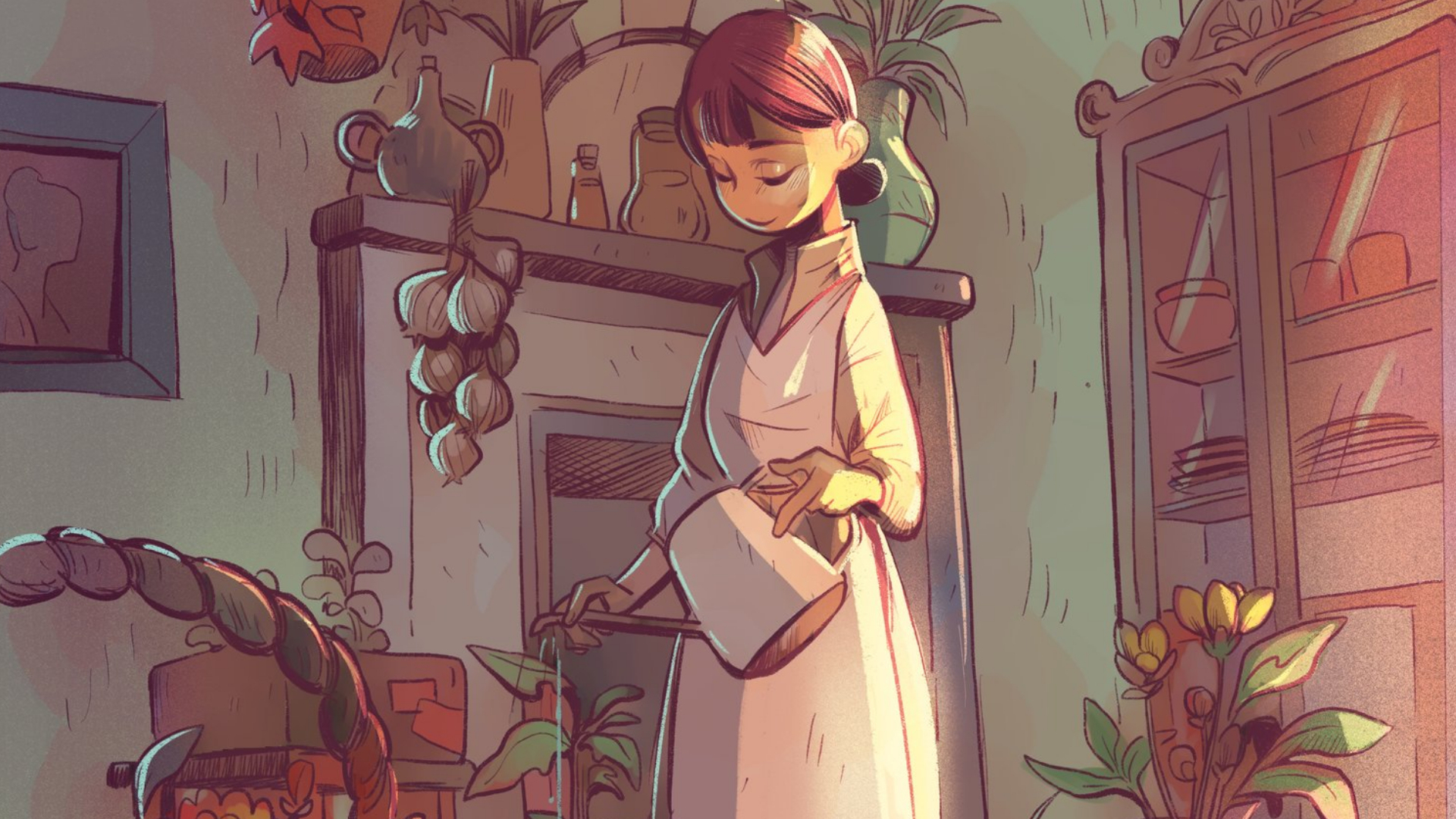
Not even in college.
[LAUGHTER]
Veronica: Good for you!
Victoria: I mean, you know, a lot of people are like, “Wow, that’s amazing!” But honestly, it’s just ’cause I really like to sleep.
It is my hobby.
Like, if people “What do you like do in your free time?”
“Sleep. Okay?”
[LAUGHTER]
That is huge. Every time my doctor’s like, “How’s your sleep?”
I’m like, “Amazing. I get ten hours night.”
[LAUGHTER]
I love it. You know, it’s like my favorite thing in the world.
And so, because I value that so much, I make sure that I am never in a position where I can’t get the amount of sleep that I want, you know?
And I know for a lot of people, like, that’s not a thing for them.
[LAUGHTER]
Like, I am the boring girl at the sleepover where it’s ten o’clock and I’m like, “All right, goodnight everybody!”
You know? [LAUGHTER] It is just something that’s it’s always been that way for me.
Like even as kid, even when I was, like, in middle school and we were having sleepovers watching scary movies, I’d be like, “Okay, I’m tired now. Goodbye.”
[LAUGHTER]
Veronica: Hilarious!
Victoria: So that has worked in my advantage.
You know, that’s, that’s partly why I am so good at being able to just get work done consistently it’s because I know if I don’t, then I’m not going to get to do my favorite thing, which is sleep.
Veronica: I love it.
And also a good balance where you’re not pushing your body too far because it’s so easy to then burn out or risk injury.
Victoria: This job is so physical and people don’t understand that because they feel, “Oh, you’re just sitting down all day.”
That’s hard on your body.
I’m almost forty now. So the consequences of not taking care of yourself, and like not being aware of your ergonomic setup and taking care of yourself physically…
…it will get you.
And we don’t have a lot of options, you know, especially as freelancers, especially as contractors.
People in animation with the union and 401k pension, like that’s great, but like if you’re in comics, you don’t have any of that stuff.
So being able to work is very, very important. And being able to work long term.
If you crunch like crazy on a book and then hurt yourself and then you can’t work for a year or more, that’s gonna severely impact your life.
So it’s really important for young people especially to take care of themselves.
I know this sucks.
This is like the worst news I’m gonna give you guys…
…but exercising makes you feel better!
Drinking enough water, like, “Oh my god!”
So true.
Bad news everybody, but it actually works. It works.
Tip #10: The Longer The Project, The More Opportunity For Setbacks
Veronica: I was wondering if you yourself have experienced any significant setbacks and what you might advise for artists in similar situations.
Victoria: When I started my career in publishing, I was in animation for a long time, and I had a book agent who was doing picture books with me, and I had this big project I wanted to do.
I, wrote this steampunk story, and um, I was really proud of it. I really liked it, and I wanted to publish it.
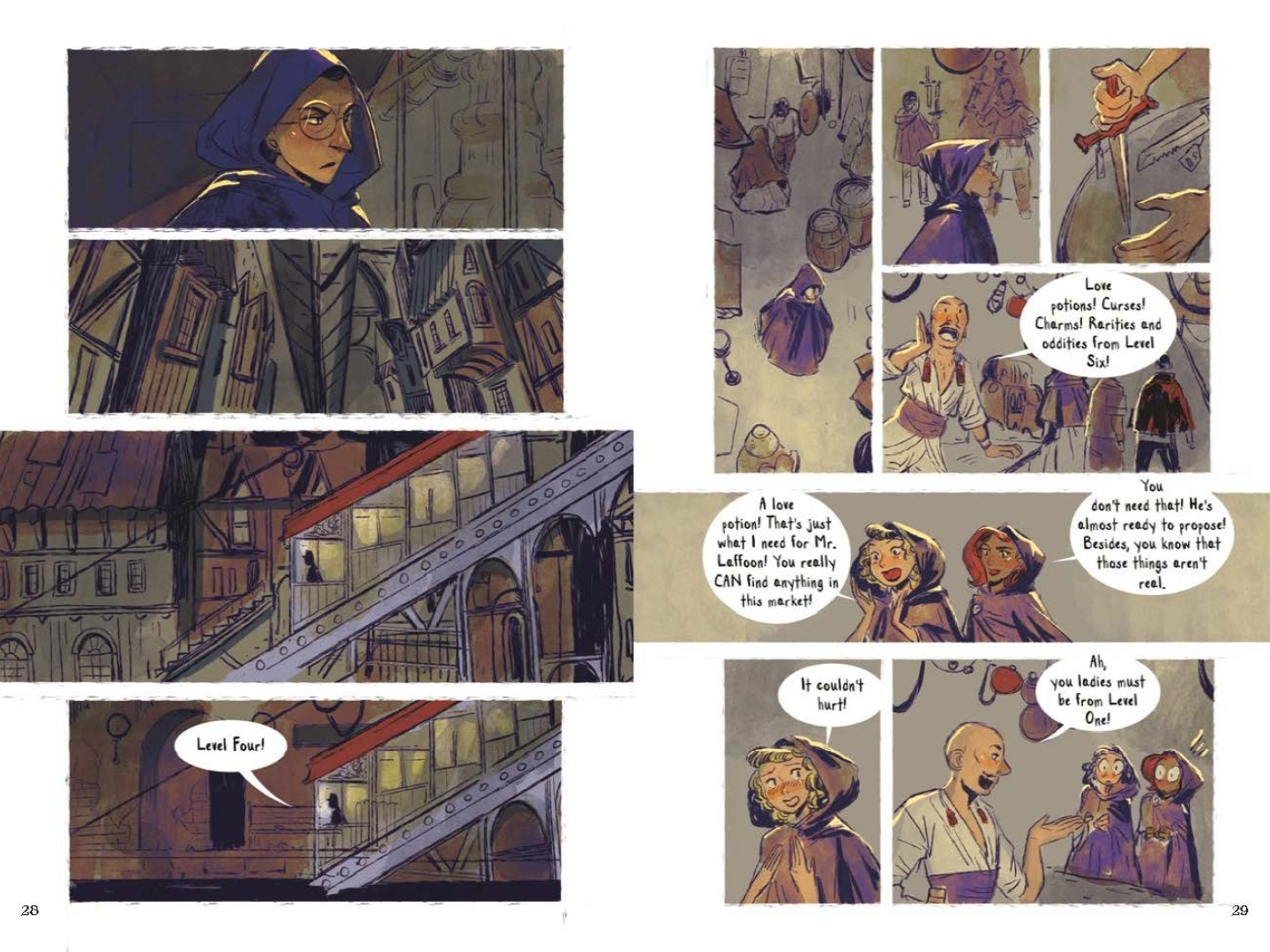
I was like, “Oh, I have an agent,” like, “this shouldn’t be too hard.”
So I sent it to her, and she was just like, “I don’t get it.
I knew that it might not be. But, it was really hard to think about, like, “Oh my god, this setback. I’ve gone from having an agent to going down to zero and having nothing.”
I couldn’t have a day job. I didn’t have my book agent, and she didn’t like my book. And I was like, “What do I do?”
She wasn’t a good fit for me at the time because needed someone who’s gonna champion my book. I needed someone who believed in that book as much as I did.
So it was a good thing that we split up. It was the right choice because the right agent is better than any agent.
So after that, I went through the querying process and I found an amazing agent who worked for, a bigger agency and she loved my book and she loved the way I wrote and she worked with me to polish it up to get it to a place to submit to publishers.
And she sold that book for me, you know, and we got a two book deal from Penguin Viking and that book is out, you know…
Um, lemme see if I have it…
Veronica: Did that evolve into City Of Secrets?
Victoria: That is, that’s City Of Secrets.
Oh, cool!
There they are.
[LAUGHTER]
Veronica: Love those books by the way they’re gorgeous!
Victoria: Thank you!
I definitely really liked those books.
And she worked with me on those books.
We worked together on the Diana books, but then she called me one day and was like, “I am quitting the business.”
So even though we had worked together so well, and I worked so hard to find her, she left the business.
Which is not un-understandable.
It’s a tough, tough world, publishing.
And I was like, “Oh my god, I gotta do it again. Here we go again.”
And then also on City Of Secrets the acquiring editor retired in the middle of the book.
So like…
[LAUGHTER]
Chris: Oh my god!
Victoria: I know! And if you’re not in publishing, it’s really hard when your acquiring editor leaves, because the acquiring editor is the person who cared about your book enough to buy it.
Chris: Yeah.
Victoria: And once they’re gone It’s really, really hard to get anyone at the publishing house to care about your project again.
Yes, it will be given to another editor who will, like, help you edit your book. But like, once the person who championed it is gone, what’s happening in marketing? What’s happening on the inside? You have no idea, right?
So that was really hard and also my book came out in 2020.
So that [LAUGHTER] was also not amazing.
My other project, which was over at DC Comics, which I was working with Shannon and Dean Hale, who are amazing…
That editor was also let go.
Veronica: Oh gosh!
Victoria: In the middle of the project. I had no editors. I had no agent. It was like, literally from square one.
However, even though I felt like I was really, really set back now, I had published books.
I had books out there. I had editors that I was working with. I had projects on the table, even though it felt like, “Oh my God, I have all these setbacks. All these things, terrible things, have happened to my books.”
But I had still accomplished things in that meantime.
And so the third time when I went out, that took me literally no time.
Because the third time, someone was like, “Hey, Victoria’s looking for representation.”
And then an agent reached out to me and was like, “Hey, I’d love to represent you.”
And I still spoke to some other people, like I didn’t take the first offer.
Never take the first offer. [LAUGHTER] Very important.
I still was able to, like, use the things that I had done already in the past to build on top of.
So even though things had happened that could be devastating, it was still a good thing.
I’m on my third agent right now, and she’s amazing. We are very happy together.
Victoria: To other people who are struggling right now, who have had setbacks, you have still accomplished things. You still made work. You still built that portfolio. You’re still a better artist than you were when you started.
So you are making progress, even though the industry, or professionally, things are not going well. You can still keep moving forward even if the outside forces are making you feel like you’re not.
You are. And you’ve made stuff that you can show people now. And just keep making things.
Victoria Schwab, who’s one of my favorite authors, and who’s the person who inspired me to get into writing, she said, “All roads lead back to writing.”
And I think for artists, too, all roads lead back to creating.
Because let’s say that you go out with a book. Nobody wants it. [LAUGHTER] Like, let’s say nobody wants to buy it, Right? Well, you gotta write another book.
Veronica: Right!
Victoria: Let’s say someone buys your book…
…now you gotta write the next book.
So no matter what, every road leads back to doing the thing that you wanna do.
So that’s the same for artists too. Let’s say that you submit a portfolio and then you get passed on. You gotta make new work. You gotta keep writing.
Let’s say that you get that job, then you gotta keep making work for that studio. So all roads are gonna lead back to creation.
You’re gonna have to keep making things, no matter what.
So as long as you know that, and as long as you are happy about that fact…
…like as long as you just wanna keep making stuff, then there will always be an opportunity eventually.
Tip #11: Just Get To The End
Veronica: What advice do you have for those moments where we, in our own projects, just kind of start to hate everything?
[LAUGHTER]
Victoria: Oh my God. So this is the thing that happens to me all the time.
And the thing that I’ve learned…

Again, this is like knowing yourself.
I know that at about twenty percent of a project, I’ll start hating it.
I’m like, “Oh my God, is terrible. Why did I choose this project? Why did I [LAUGHTER] decide that wanted to do this? There were so many other ideas. I should have done those!”
I know because I’ve done it so many times that at twenty percent I’m gonna hate it and then, once I get to fifty percent, then I’m like, “Damn, this is pretty good!”
[LAUGHTER]
I know exactly where those moments are, and I know to just keep pushing past it.
You can only know that if you keep doing it, if you finish things.
Just get to the end.
It doesn’t matter if it’s good. It doesn’t matter. Just get to the end.
Just finish it and then come back and fix it because this is the moment where you will give up if you let yourself give up.
Tip #12: Find Your People
Chris: Graphic novels are notoriously lonely work. What’s your advice for dealing with that? Because, I mean, it can hurt.
Victoria: Yeah. I mean, I think that this question would’ve been a bigger mystery to people before 2020. I think we all know a little bit about what being lonely at work feels like now.
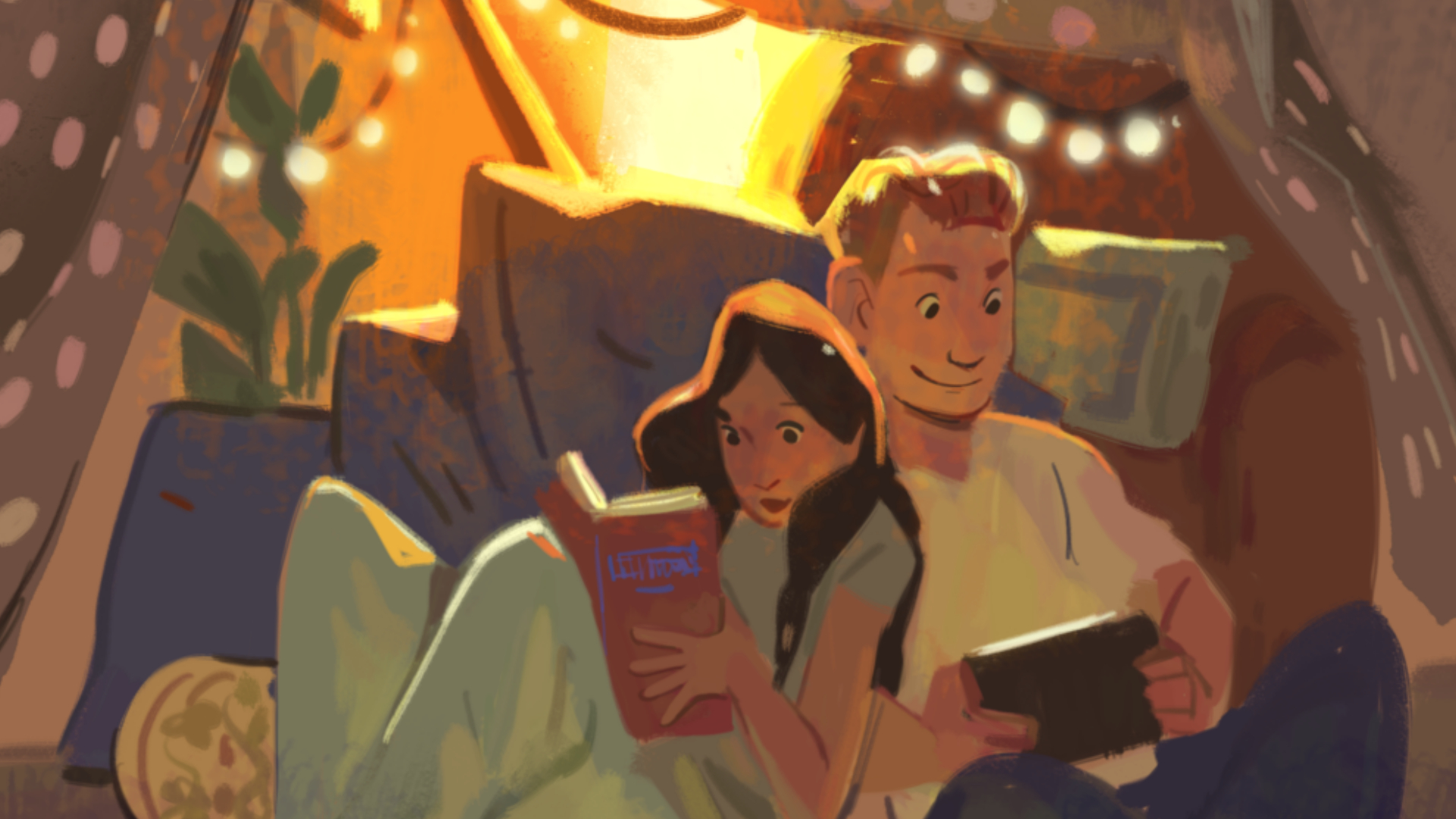
For graphic novelists, and people who are in this place consistently, always working from home, not necessarily having that network, not having that connection…
You have to build that for yourself.
You have to find your own community. That can mean online. Could be Discords, it could be, um, you know, I keep wanting to, like, list social media sites, but I’m…
It’s hard now.
[LAUGHTER]
Veronica: It’s a tricky time.
Victoria: It’s hard. I’m on Bluesky.
Chris: Bluesky is awesome, though.
Victoria: Yeah I love Bluesky.
Um, yeah, Discords are great.
And I think, more and more, we need to find our communities in person and in our local, literally in our community, right?
We need to go out there.
Meet people in real life.
Look at their faces, you know?
[LAUGHTER]
Have conversations…
It’s so easy, especially after the pandemic, to just wanna be like, “Oh, well, I just don’t wanna drive anywhere,” you know?
Like, [LAUGHTER] and I don’t really wanna, “Oh, spend my whole afternoon in a place far from home…”
And then, like, “What if I get work done?”
You could make a million excuses to not go out, and I think we do.
And we’ve, like, weirdly romanticized that now where we’re like, “Ooh, bed rotting. Ooh ooh…”
Like, uh, No!
[LAUGHTER]
That attitude, I understand it and I do that all the time…
I spent my entire day on Saturday on the couch.
Like, I do it…
…but at the same time it’s really important now, I think more than ever, that we get out there and we actually meet our community where they are.
And I think that for a lot of graphic novelists and people who work from home, finding your artistic community, finding your professional community, those things are going to be hugely important, not just for your mental health, but also for the future.
Because, you know, as we were saying with social media, like, who knows where any of this is going? People will always be there. Go to your like, local zine fest. Go to your like, local Comic Cons. Talk to people in person, you know?
Have coffees with people.
Even if you can’t find it, you can do that. You can just be like, “Hey, do you wanna get coffee? Great, let’s do it.”
“Hey, do you wanna do like a comics meetup once a week? Great!”
You can build that community for yourself too.
Chris: Yeah.
People write me all the time and say, “I can’t find a community…”
…and I always say, “Well, we have one. You should come over here.”
But then, also, if you’re looking for something else, start one!
Victoria: Yeah. Start one!
Chris: You’re the one with the itch.
Victoria: Yeah! You don’t even have to necessarily be like, “Oh, it has to be comics people.” You know?
In LA, we have a huge community of artists who are all kinds of weirdos, right?
We’ve got graffiti artists, we’ve got animation people, we’ve got illustrators, we’ve got fine artists, we’ve got like all these different types of people and being in community with them is also really, really important because they will share a lot of the same concerns as you. Maybe in a different way, and maybe they have different resources, but at the same time, being able to know people who you can turn to is going be really, really important.
Even on a smaller scale, I know that my local library has a teen writing workshop.
Yeah, look to your, um, the institutions that are around you, like libraries, galleries, anything like that.
A lot of them are gonna have local programs, and you might be like, “Oh, that’s just for like old retirees.” That’s fine. Hang out with them!
There are so many people who are going to give you insight and bring you that kind of community and, you know, make sure that you’re not feeling lonely.
And you can only really do that by reaching out, by being willing to like, get off the couch and drive somewhere.
We were talking about journaling earlier…
…I’m going to a journaling, meetup later this afternoon.
And these are not necessarily artists in animation or whatever, but we have one thing in common, which is we like journaling. We like putting stickers in our books and stuff like that.
So like you can find communities that are adjacent to your other interests. Like even a run club, you know, whatever.
Just try and get out there.
Chris: Yeah. Geek out.
Victoria: Yeah.
Best/ Worst Advice:
Victoria: Vicky, as you know, we have some questions that we ask pretty much every guest on the podcast.
Veronica I think you’re going to take the first one and then I’ll do do a couple.
Veronica: Sure thing.
What is some of the best advice you’ve is what is ever received?
Victoria: I’ve definitely received the advice to read widely.
That has been a really huge benefit to me because I fell away from reading for a long time in college.
Especially now as an adult, revisiting some old classics and reading books that aren’t necessarily in my genres that are just for entertainment.
You get a lot from it and you grow a lot as a person.
Veronica: Oh, that speaks near and dear to my heart as a life long reader and patron of every library I’ve ever been next to.
On the flip side of that question, what is some of the worst advice you’ve ever received?
Victoria: I think, the idea that you should just do mileage in your sketchbook and that will achieve something.
I do think that obviously mileage is important and you need to practice, but you need to practice with your mind engaged.
Choose what you’re doing and practice with intention.
And that’s the only way you’re actually gonna get better.
Chris: Yeah. Fundamentals are pointless unless you acually know why you’re practicing those fndamentals.
Every effective study has an objective.
This is something artists struggle with and then they come to me and they talk about how fundamentals are so “boring.” And I’m like, “Well, of course they are, because you don’t know why you’re doing it. It’s just empty religion.
You know?
Who’s Your Favorite Muppet?
Chris: Who is your favorite Muppet and why?
Victoria: It’s changed a lot, you know?
Like, I, I go through all these different phases.
Right now, Miss Piggy is my favorite because the anger, [LAUGHTER] the righteous justice and rage that she has.
She stands up for herself, you know?
I feel like there’s just something in me right now that is really identifying with Miss Piggy and, you know, I wanna karate chop somebody.
Chris: Awesome. [LAUGHTER] So good.
The Magic Feather:
Chris: Our album art, our podcast art is uh, kind of Dumbo. It’s an elephant holding a feather.
This is representative, as you know, of something that one thought they needed, but later realized they don’t actually need in order to fly, whatever “fly” means.
What is your magic feather?
What is something that you thought you needed and then, as you’ve developed as an artist, you’ve started to realize, “You know what, I actually don’t need that.”
Victoria: So for me, because I picked up writing much later in my career than drawing, and I felt very confident about my drawing, but I felt very insecure about my writing.
When I started writing in my late twenties when I really wanted to become better at this, I read every book I can get my hands on. Every single book.
I have shelves and shelves and shelves of writing craft books.
I read so many of them, and I felt like I needed to know everything before I could write.
And it turned out that I learned much more from just writing bad stories than the books really taught me.
So do the thing!
I I really felt like I needed to learn everything first before I could do it, but, nope, you can just do it.
Chris: Oh yeah, give yourself permission.
In Our Next Episode:
Can’t Find Time For Art? Try This Instead…
Every Successful Art Career Is A Collaboration:
Get clear, relevant feedback on your work and personalized career guidance in our mentorship: The Clockwork Heart.
Join The Magic Box Brush Club:

Visit DigitalArtBrushes.com to claim your 100% free, lifetime membership to The Magic Box Brush Club and get new digital art brushes with accompanying tutorial guides every month for an entire year.
Never Miss An Episode:
Subscribe to this podcast on any of the major platforms (Apple Podcasts, Spotify, Audible, YouTube) and join our email list for notifications about future episodes, courses, and mentorship opportunities.
It’s 100% free and we will always respect your privacy.
Credits:
We are your hosts, Chris Oatley and Veronica Kosowski. Our production coordinator is Mari Gonzalez Curia. Our music is by The Bright Sigh (which is me) and this show is made possible by The Magic Box Academy.
 The Magic Box