Pixar Animation Studios was always known for quality storytelling, but in the early years of CG feature animation, they also set the standard for design.

CG feature animation was considered by many (even mainstream audiences) inherently inferior until the turn of the 21st century.
The fur and lighting effects in Monsters, Inc. were remarkable in 2001 (and they still hold up) but in 2003, Finding Nemo’s visual art finally and fully transcended the technological limitations of the new medium.
When interviewed about how they created such stunning imagery, the Pixar artists often cited their meticulous research.
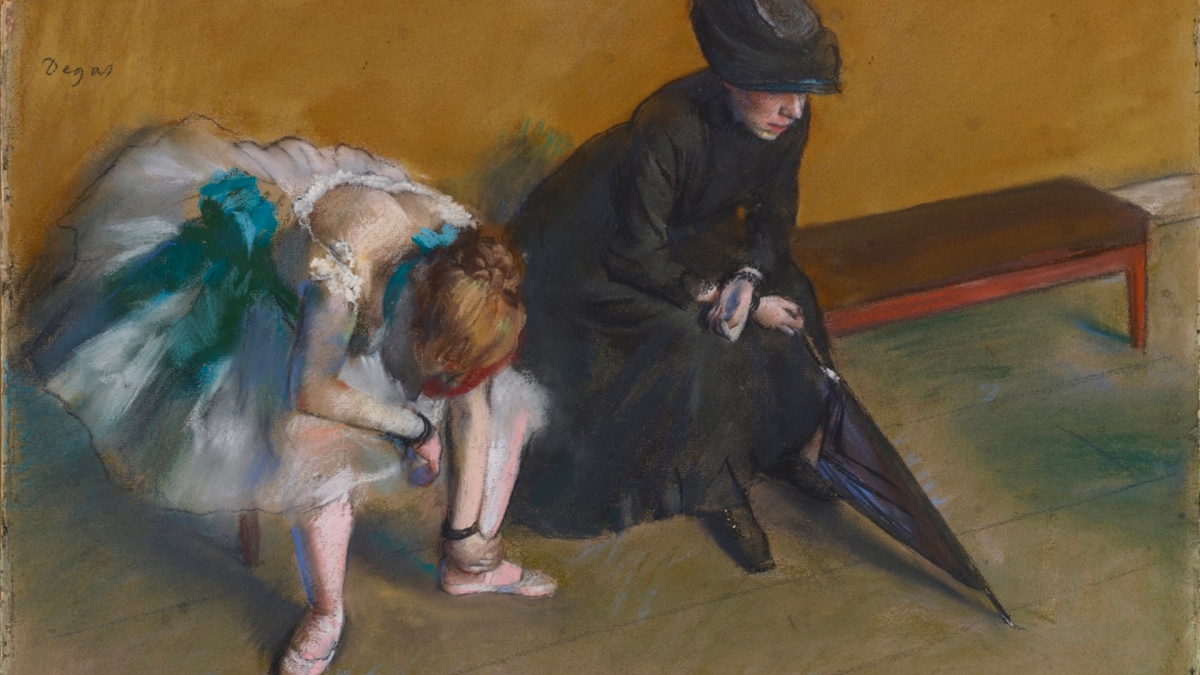
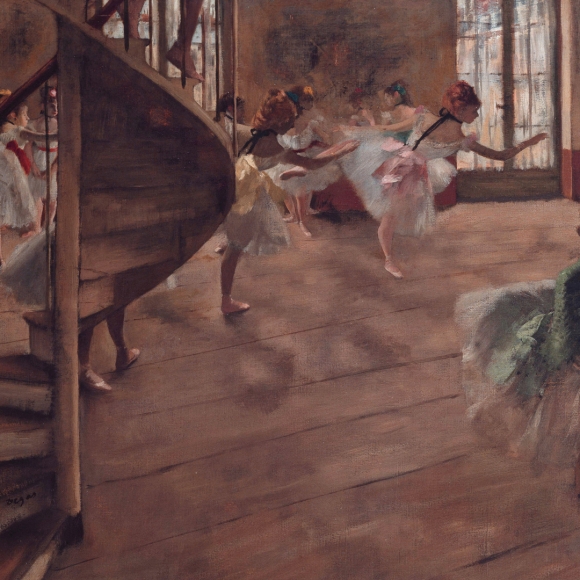
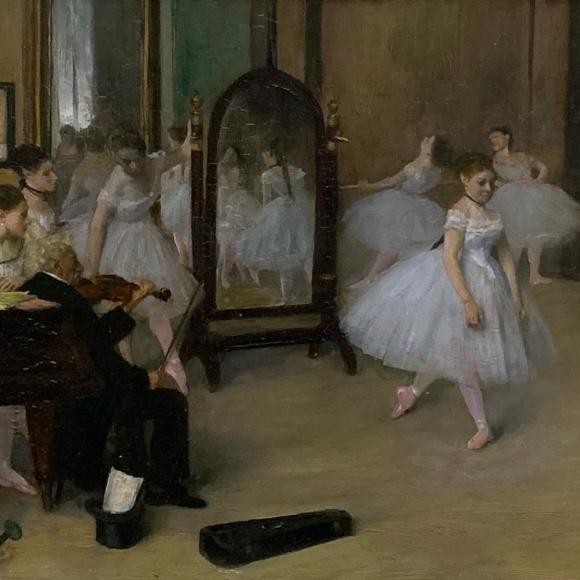
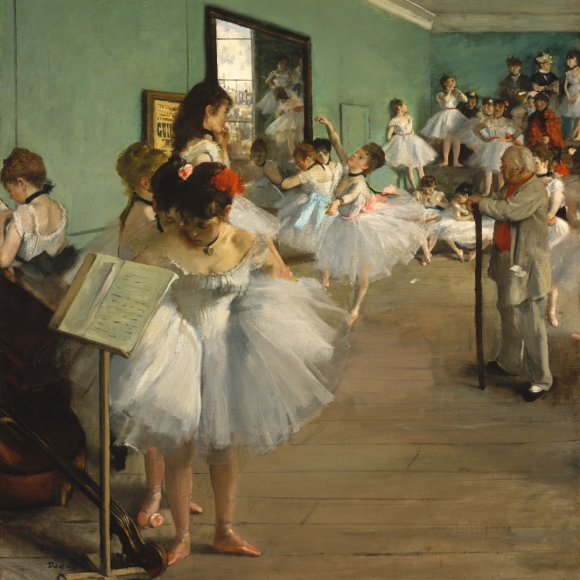
Whether it was sketching professional ballet dancers in preparation for Fantasia’s dancing hippo sequence, living in Latin America for months at a time during development for Saludos Amigos and The Three Caballeros or hiring legitimate apex predators as models for The Lion King, Disney artists were willing to do whatever it took to achieve their characteristic verisimilitude.
…so why wouldn’t Pixar?
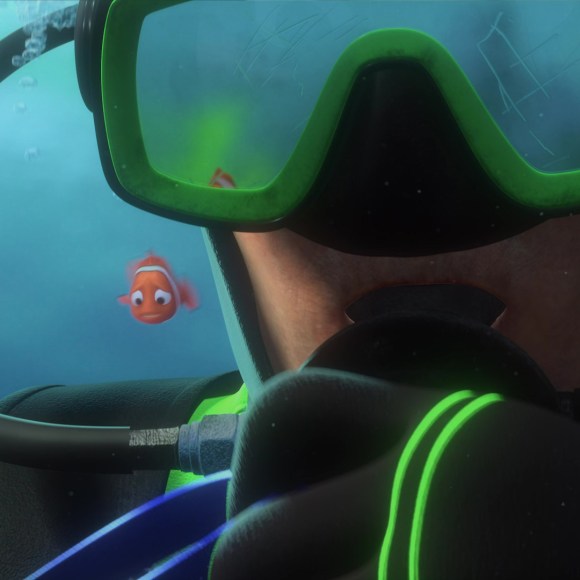
They got the Nemo art team certified for scuba diving. The Up artists flew to Venezuela to paint the world’s tallest waterfall. The Cars crew went on an epic road trip across the legendary US Route 66, the Ratatouille team wined and dined at fancy restaurants in Paris…

…and the Toy Story 3 team toured…
…landfills.
That’s right…
The Nemo people swam around a coral reef.
…and the Toy Story 3 people swam around in literal human garbage.
…but the movie probably wouldn’t have created the cultural phenomenon it did if the artists hadn’t been so committed to authenticity.
This is the second in a three-part lesson for artists who are ready to develop effective professional practices upon which they can depend for efficiency, consistency and quality in their work.
Today we’ll talk about the importance of working from reference – even when it stinks.
We’ll bust five common myths about reference.
…myths that if left un-busted put your portfolio at risk of landing in the trash.