A few years ago, at an entertainment industry convention (which I won’t specify), an artist visited my booth, crying.
Without acknowledging the tears streaming down her face, she introduced herself and asked for a portfolio review.
“Sure, but… are you okay?” I asked.

She said she was crying because she had just received a “really bad portfolio review” but she’d get over it.
I flipped through the first few pages.
“Really bad? What on earth were they thinking? Your work is so strong!”
She said the reviewer just tore through everything: “I don’t like
your this, and I don’t like your that…”
“Did he give you any constructive feedback at all?” I asked.
“Not really. He just said I should do more quick concepts. Props,
vehicles, weapons, stuff like that…”
I formed a theory about what went wrong: “Is this person a concept artist?”
She nodded.

“And you’re not a concept artist, right? You’re a children’s book illustrator.”
She clarified that she was an aspiring children’s book illustrator. She said kidlit was her first love and she was almost done with her first book.
“I’m assuming he never asked you about that?” I asked.
He had not.
I asked if she’d ever heard the phrase: “When the only tool you have is a hammer, every problem looks like a nail.”
She chuckled and said she hadn’t.
I explained that the concept artist had failed her.

He didn’t actually look at the work she put in front of him, so he never calibrated his critique to her professional aspirations.
He could have asked where she wanted to work, admitted that he didn’t know much (or anything) about children’s book illustration, and referred her to someone who did.
…but instead, he jeopardized an artist’s career.
…and hers was probably not the only one.
At least she was confident enough to try again.
Not everyone will be.
I once asked my parents (both especially effective public school educators) for their best teaching advice.
My mom said: “A good teacher is not the sage on the stage, they’re the guide on the side.”
My Dad said: “Teach the student first and the subject second.”
While my Mom’s advice was about the mindset of an ideal mentor and my Dad’s was about prioritizing the students’ edification, both statements emphasize that great mentors don’t dictate, shame, or assume…

They collaborate.
Personally, I remind myself of this every single time I step into a classroom (virtually or in person) or conduct a portfolio review.
…but some professional artists (even those who fancy themselves “teachers” or “mentors” or “influencers”) don’t.
In this series, we’ll talk about what to look for in a mentor and how great mentors help you overcome fear, solve problems and how they empower your own efforts for health and happiness.
…but first, we’ll make sure we’re working with a clear definition of “mentorship.”
…because doing so is essential for protecting your heart, your health and your finances.
Watch The Video (Or Read On For The Transcript):
Defining Mentorship:
Though the word “mentor” already has a specific definition, it’s often used incorrectly.
So, let’s begin by clarifying our definition and, therefore, our understanding of a healthy mentor-mentee relationship.
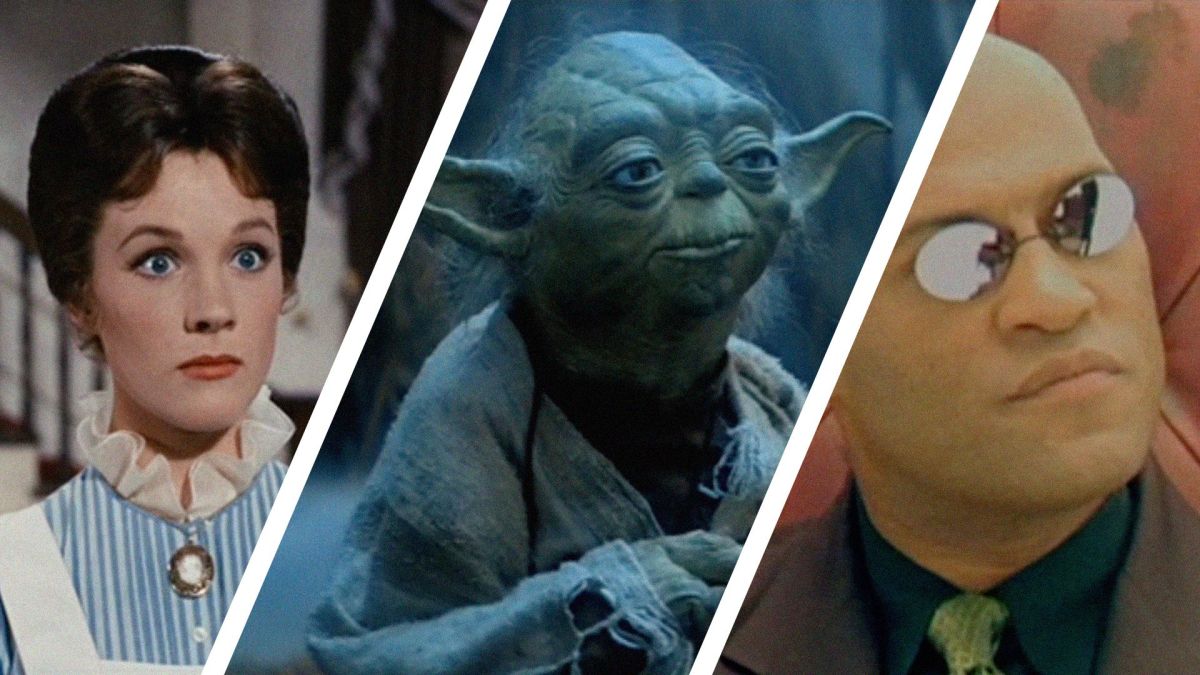
1.) The word “mentor” does not mean “messiah.”
Many human beings have a tendency to deify those they admire.
At best, this is seriously unhealthy.
Furthermore, we’ve all seen the extreme danger that can result when personal authority is abused.
No matter how wise or charismatic your mentors might be, nobody is a messiah.
2.) A parasocial relationship is not a “mentorship.”
Podcasts and books are not “mentorship.”
Courses or events with hundreds or thousands of students are not mentorships.
A mentorship, whether online or in person, is a real, human relationship.
If someone is referring to themselves as a “mentor” and they don’t actually know their mentees, they might be a teacher or a leader but they’re not a mentor.
3.) A teacher can be a mentor, but not all teachers are mentors.
A mentor-teacher personalizes the curriculum for their students.
Often, they actively invest in their students’ personal and professional growth beyond the classroom.
4.) A mentor is not simply a consultant, though their roles might sometimes overlap.
A mentor invests emotionally and personally in their mentees’ success, which is atypical for a consultant.
The term “mentorship” usually implies long-term support and, in many cases, on a broader range of topics.
Where a consultant might focus purely on the technical, a mentor might guide their mentees through career decisions and personal challenges (assuming those personal challenges exist within the realm of the mentor’s expertise).
Our Definition Of Mentorship:
With these clarifying factors in mind, here’s my recommended definition of “mentorship” and the one with which we’ll work throughout this series:
A mentorship is a humble, nurturing and mutually accountable human relationship grounded in trust and guarded by healthy boundaries where a more experienced guide provides personalized support in pursuit of your defined goals, aspirations and holistic growth.
…and now, with a clear definition of “mentorship,” we can begin the series proper.
In each episode, I’ll tell stories that demonstrate great mentorship and help you identify the kinds of mentors that will support you in similar ways.
Today, I’ll begin with a story that shows how great mentors help us help ourselves…
LESSON 1: Great Mentors Help You Help Yourself
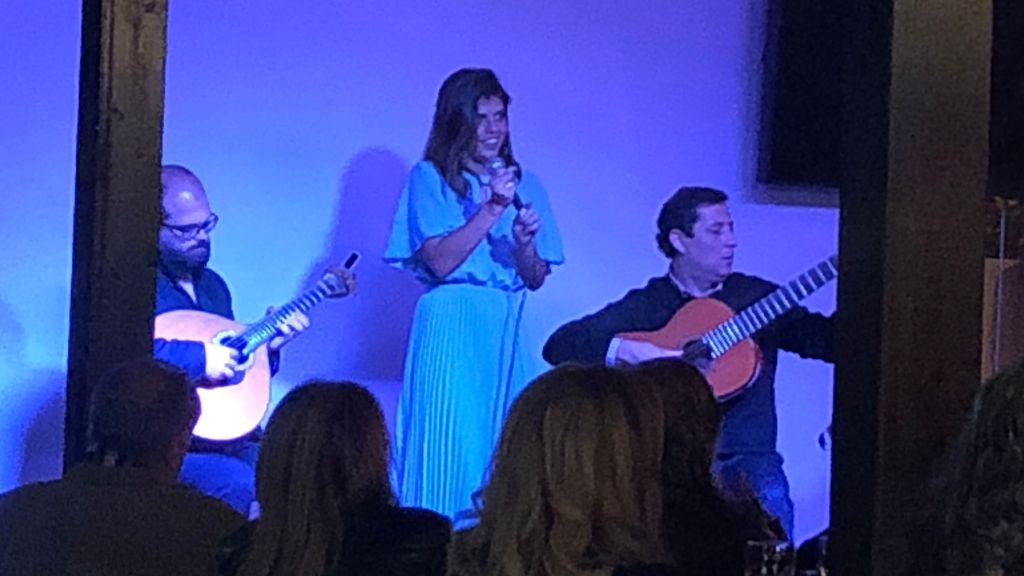
A few years ago, some friends and I signed up for group singing lessons with an amazing, Portuguese music teacher named Paolo.
He asked each of us to choose a song that we loved and try to learn it before the first meeting.
I chose one of my all-time-favorite songs: A Long December by The Counting Crows.
I practiced the song over and over for a week in anticipation of Paolo’s first lesson.
It wasn’t difficult to learn the guitar chords, but I really struggled with the vocal performance. Despite all my practice, I didn’t improve much at all.
I considered switching songs but I didn’t want to compromise the opportunity to learn.
What’s the point of hiring a teacher if you hide your mistakes from them?
Why Was I So Nervous?
While waiting for our first lesson to begin, my friends all seemed calm
and enthusiastic.
…but I was visibly nervous and couldn’t figure out why.
I never get nervous unless I’m under-prepared.
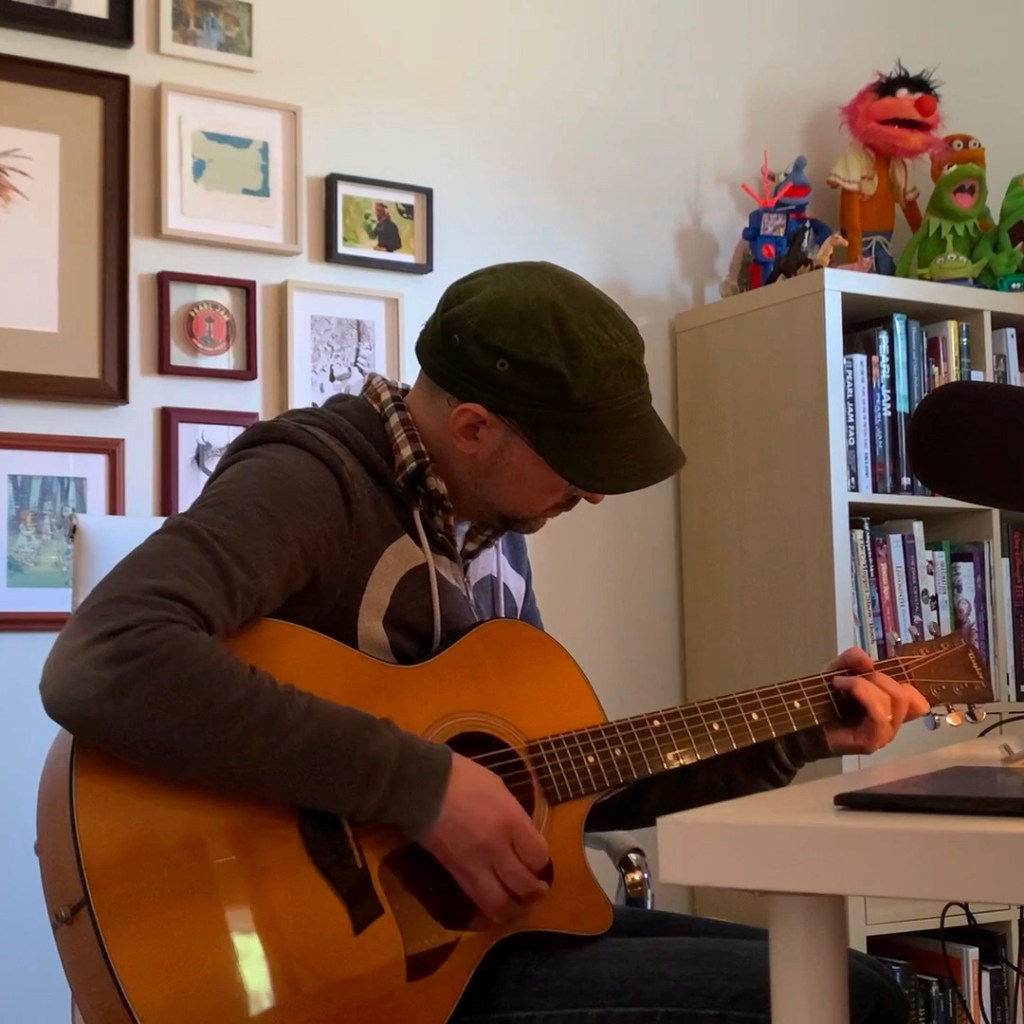
…which is why I always over-prepare.
I had memorized the words and guitar chords to A Long December (even though I have a really hard time memorizing songs) and learned it in three different keys in case Paolo felt like one fit my voice better than another.
I couldn’t have been more prepared.
…so why was I so nervous?
I Had To Go First:
Paolo arrived and announced that we would begin the lesson by taking turns performing our chosen songs.
Maybe because he could see how nervous I was, Paolo asked me to go first.
It was a disaster.
My voice was shaky, wobbly and wandering. I had to start a verse over because I forgot the words. I even messed up the guitar chords – which was supposed to be the easy part.
When the song ended, Paolo was encouraging.
Through hand gestures and broken english he urged me to try again.
I just wanted it to be over.
…but, again, this is why I hired him.
And Then Things Got Worse:
On my second attempt, some parts improved, but others got worse.
For example, during my first attempt, I was, at least, emotionally engaged with the story in the song.
The second time, my mind was racing, analyzing every technical aspect of the performance, searching for answers about what went wrong before.
My heart wasn’t in it but my entire head was.
…and everyone could hear the difference.
(They told me so afterward.)
The Fear I Didn’t Even Know I Had:
When I arrived at the mercy of that final chord, Paolo was not
encouraging like he was the first time.

…but he wasn’t discouraging either.
He got very still and quiet.
He closed his eyes, held his hands out to either side, palms open upward. He took a deep breath, held it, then opened his eyes long enough to communicate that he wanted me to do the same.
I inhaled and held my breath.
He exhaled slowly and I followed his example.
“Let go of your fear.”
That’s all he said.
Let go of your fear.
Let go of your fear.”
Whatever nervousness I felt earlier was nothing compared to the flush-faced, temple-pulsing embarrassment that rose up from my churning stomach…
In my head, I was defensive: “Fear? What fear? I’m not afraid…”
…but I chose to trust him anyway.
I shut my eyes again, inhaled and began searching for this alleged fear.
I find it difficult to describe what happened next.
Where’s The Fear?
I sort of “scanned” myself, mentally, head-to-toe.
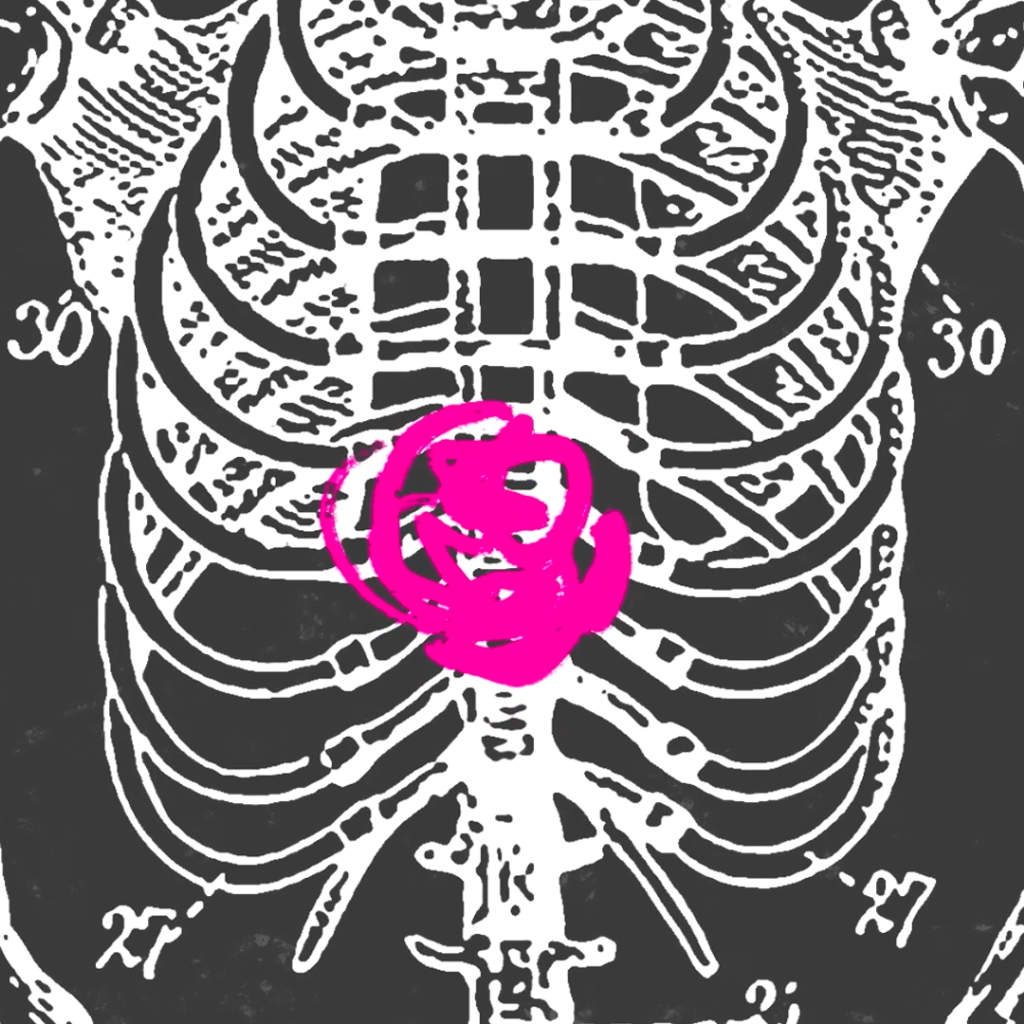
When my attention arrived somewhere just below my sternum, I found it.
I found the fear.
It wasn’t painful, but I could feel it physically – like a small, round object intersecting with my body.
I imagined myself taking hold of it.
Then I imagined letting it go.
…and it just… …kind of… …went away.
…and in taking hold of the fear, I also discovered its cause.
…and that was the most surprising discovery in this whole story.
A Cringy Confession:
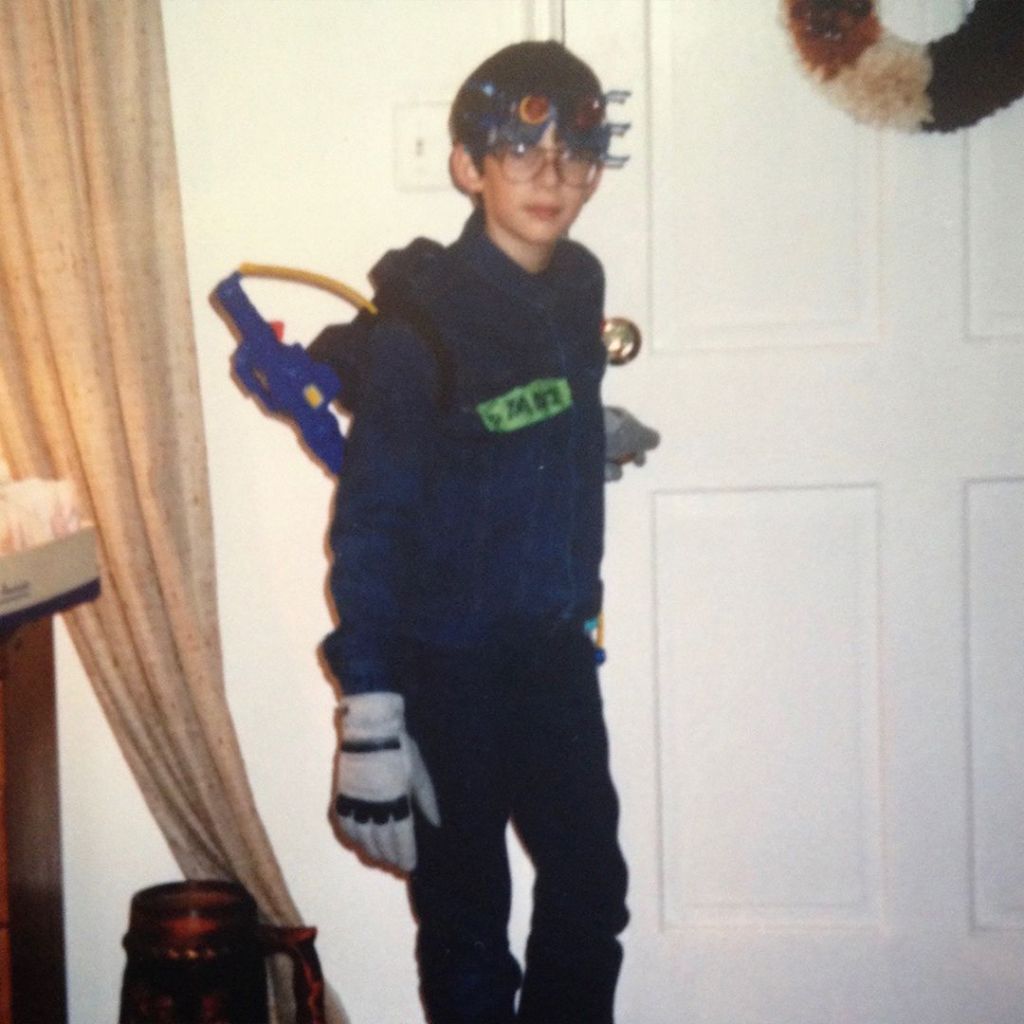
I’ve had several experiences throughout my life that left me feeling isolated by fear.
…not the least of which was being the target of frequent and severe bullying throughout my childhood and early teens.
One of the few positives that I was able to create by processing those experiences is the confidence that comes with never caring whether strangers think I’m cool.
…but I deeply value the opinions and perspectives of those with whom I’m close.
…and that’s why I was nervous during the singing lesson.
…because, basically, I wanted my friends to think I was cool.
Yes, I hear the cringy insecurity in that confession, but whether you can relate to it or not – that’s where the fear came from.
When I opened my eyes, Paolo just – waited.
It took me a moment to realize he wanted me to play the song again.
How He Helped Me Help Myself:

My third attempt wasn’t perfect, but it was the best version of A Long December I’ve ever performed – before or since.
Within minutes of meeting me and despite a significant language barrier, Paolo identified an obstacle to which I was completely blind.
I thought it was a technical problem – a problem with my practice or preparation.
…turns out it was much more personal.
You can’t let go of something you don’t know you have.
A Lesson That Keeps On Teaching…
In subsequent lessons, Paolo offered technical solutions and demonstrated better ways to practice.
…and I grew more as a musician during that season than I had in years.
You can’t let go of something you don’t know you have.“
…but none of it would have been as effective with fear in the way.
Now, whenever I feel like I can and want to do better work but anxiety appears alongside disappointment in my own performance, resulting in a sense of helplessness, I know to slow down, get quiet and try to find the fear.
…so I can take hold of it.
…and then let it go.
A great mentor helps you help yourself.
Lesson 3.1. Homework:

Consider a time when you struggled with an artistic problem despite significant effort.
Looking back, was there, perhaps, an obstacle that you couldn’t identify at the time?
Make a list of the qualities, abilities and approach you would need from a mentor to help you work through something like that.
…then create an image (in words or pictures) that illustrates the holistic effects of removing that problematic factor from your creative process.
Considering how Paolo’s mentorship continues to support my own personal artistic process, how could a similar kind of mentorship benefit you long-term?
If you’re open to it, I’d love to hear about your discoveries. Feel free to email my team and me via Support@ChrisOatley.com.
Next, In Part Two:
Next in Part Two: How great mentors help you take action!
Every Successful Art Career Is A Collaboration:
At the time of this recording, my mentorship – The Clockwork Heart – is accepting applications.
Email Support@ChrisOatley.com to schedule an interest meeting and apply.
Never Miss A Lesson:
Subscribe to the podcast on any of the major platforms (Apple Music, Spotify, SoundCloud, Google Podcasts, YouTube) and join our email list for notifications about future episodes, courses, and mentorship opportunities.
It’s 100% free and we will always respect your privacy.
Credits:
I’m your host, Chris Oatley, and our production coordinator is Mari Gonzalez Curia. Our music is by The Bright Sigh (which is me) and this show is made possible by The Magic Box Academy.
 The Magic Box